Features
Eight features that measure a battery, plan how it charges and settle what it does. Four are the core of the platform. Four sit alongside them.
Core features
Health charging
Shaves the current peaks that do the damage, so a pack degrades up to 14% less over 100,000 km at a similar charging speed.
Battery protect
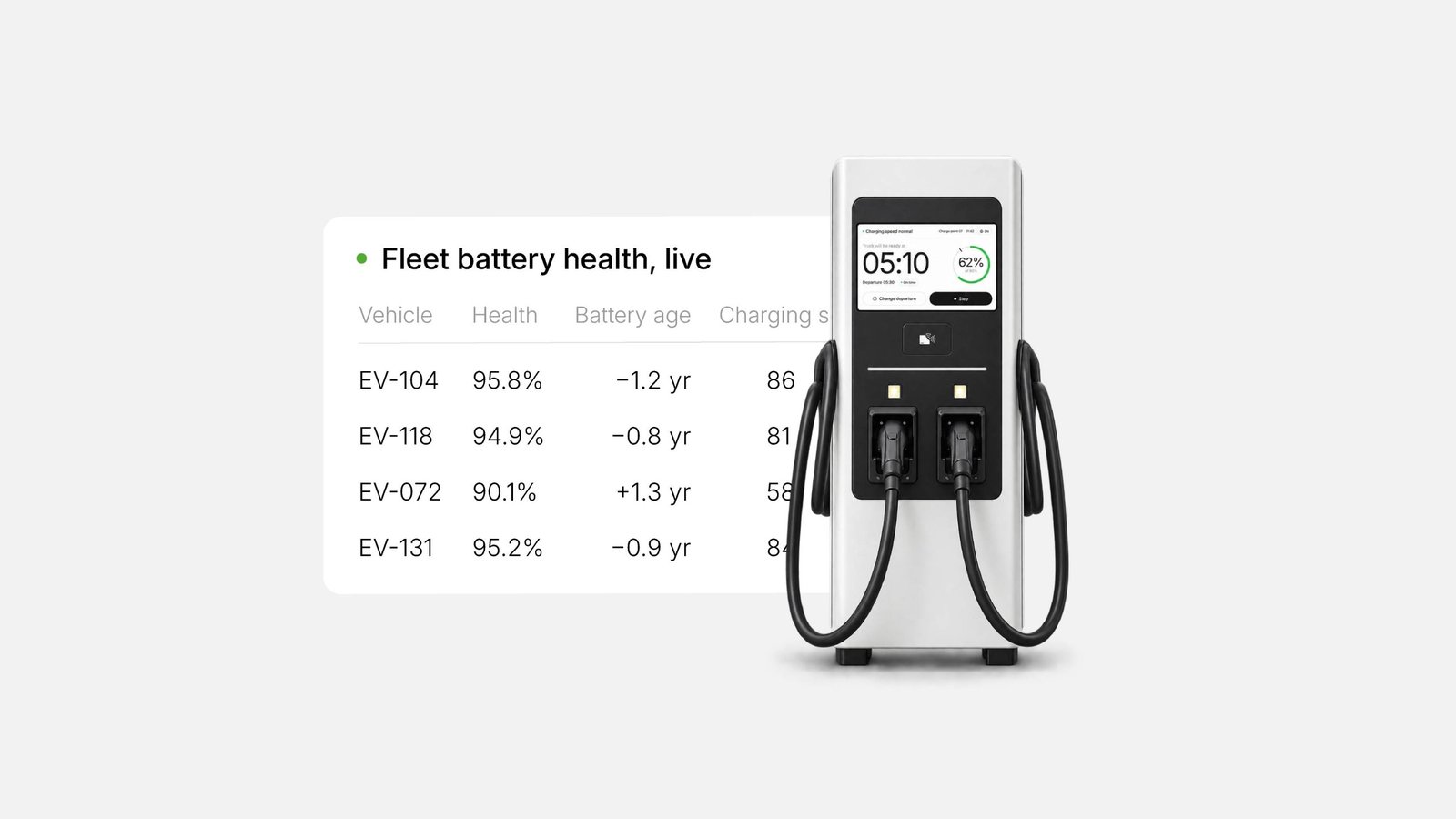
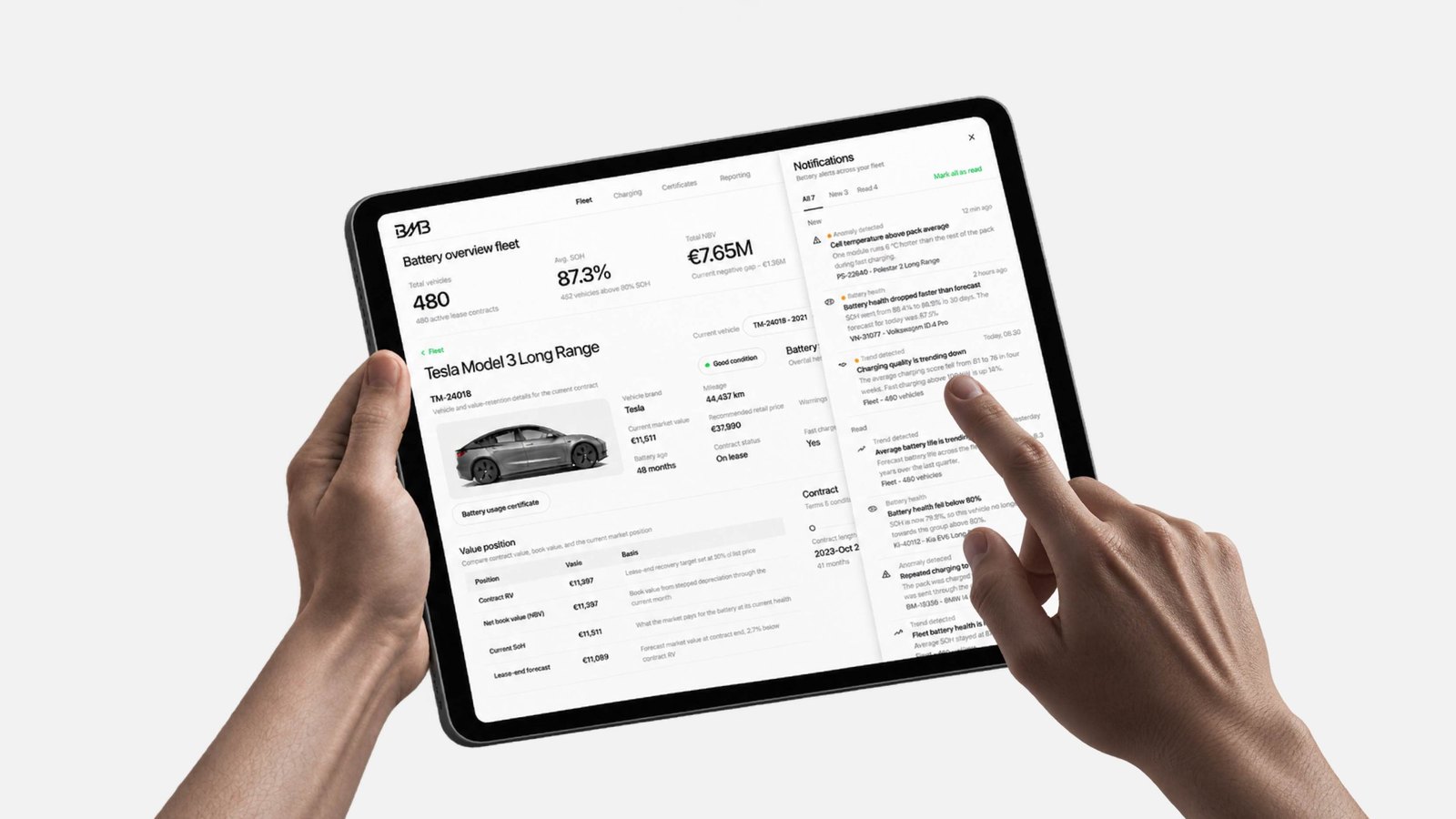
Measures true state of health per pack continuously and forecasts what is left in 5 to 10 years.
Capacity unlock
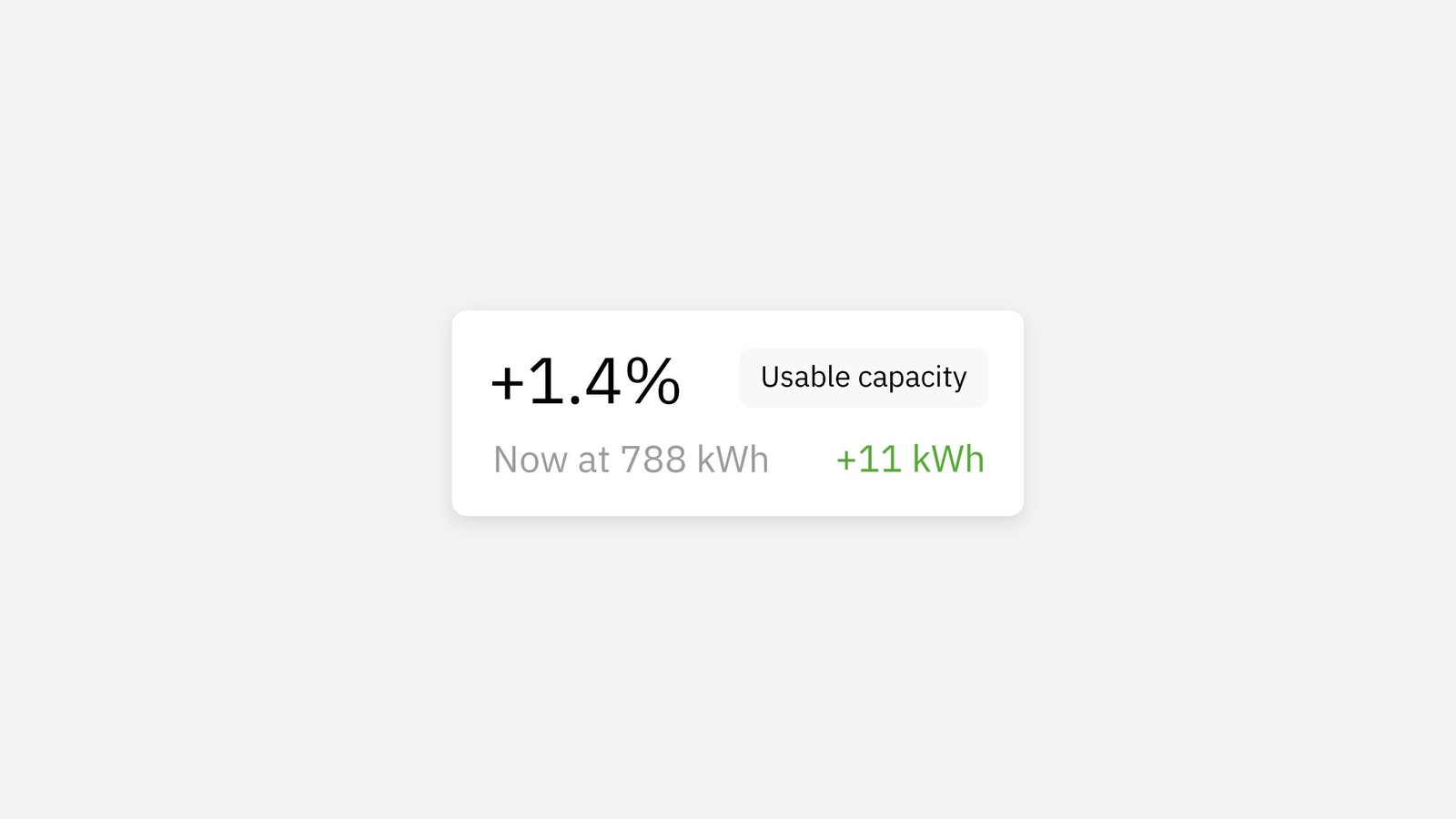
Works out how much of the rated capacity a pack is really delivering, and brings it back towards the limit.
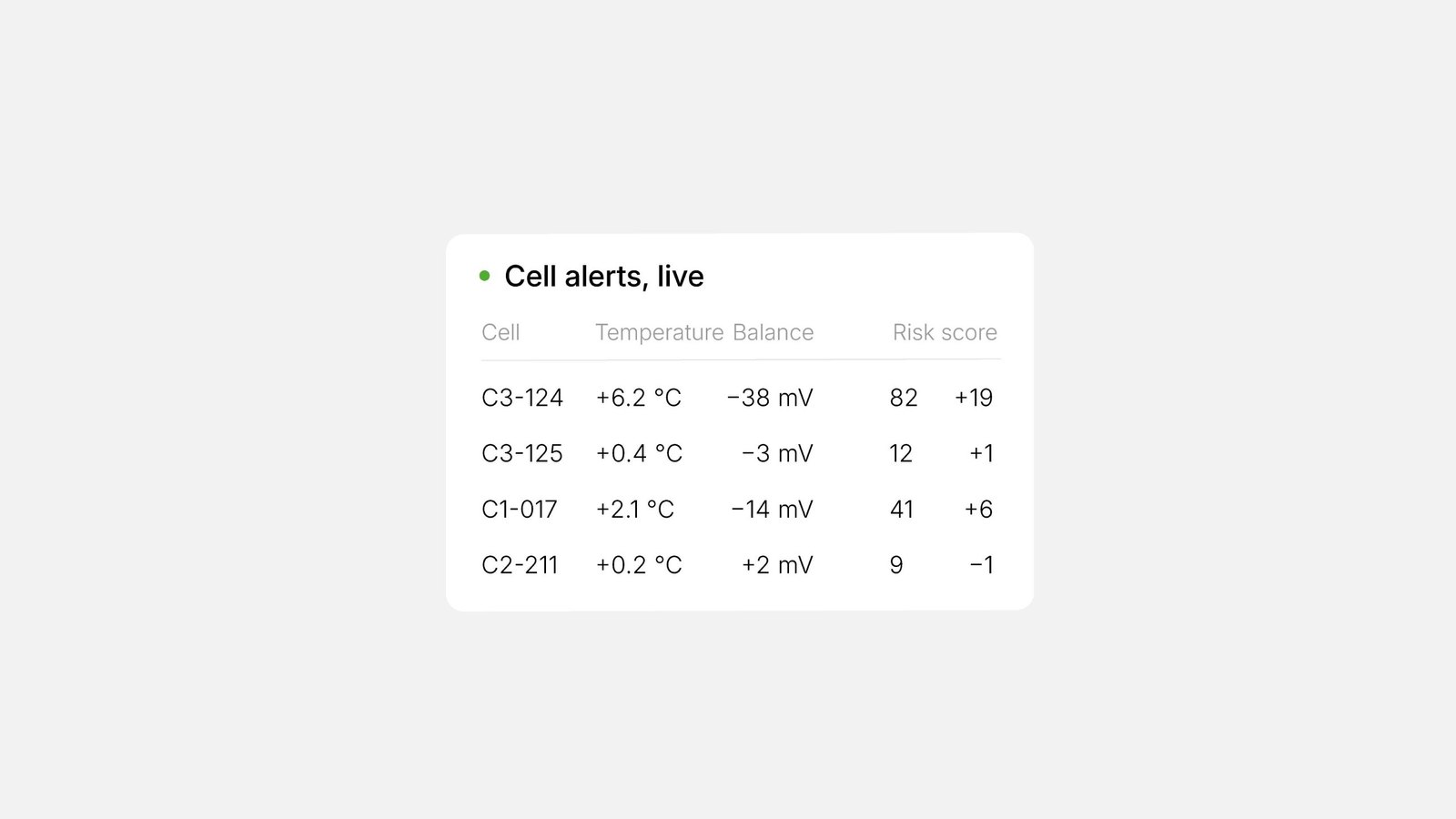
Anomaly detection
Flags cells running hot or drifting out of balance in real time, long before the next test.
Other features
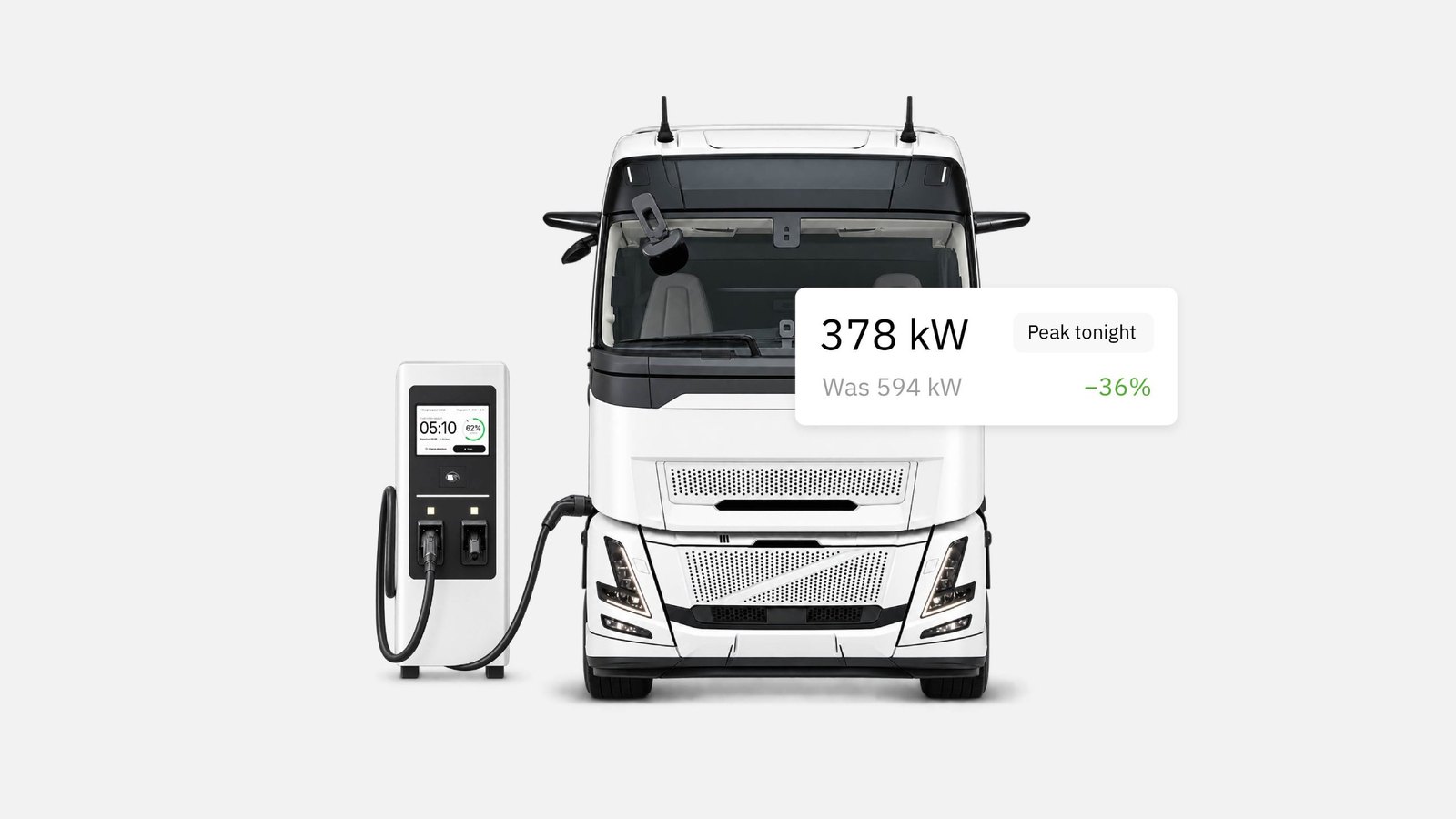
Peak shavingSpreads the site’s power draw over the night. The billed peak comes down, and the existing grid connection goes further.
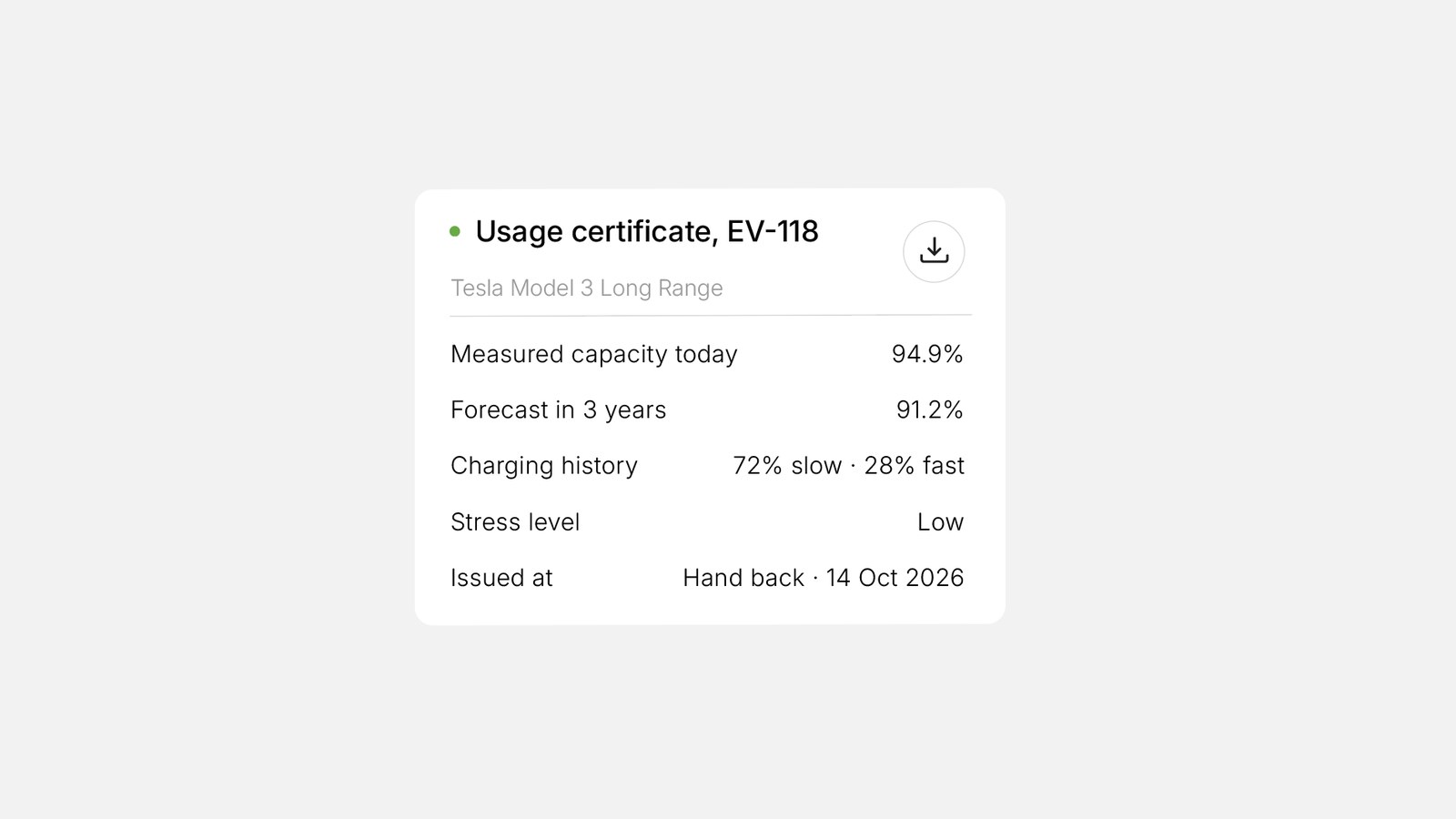
Usage certificateGives every pack an independent record of its treatment and remaining capacity, ready for a buyer, an insurer or the 2027 passport.
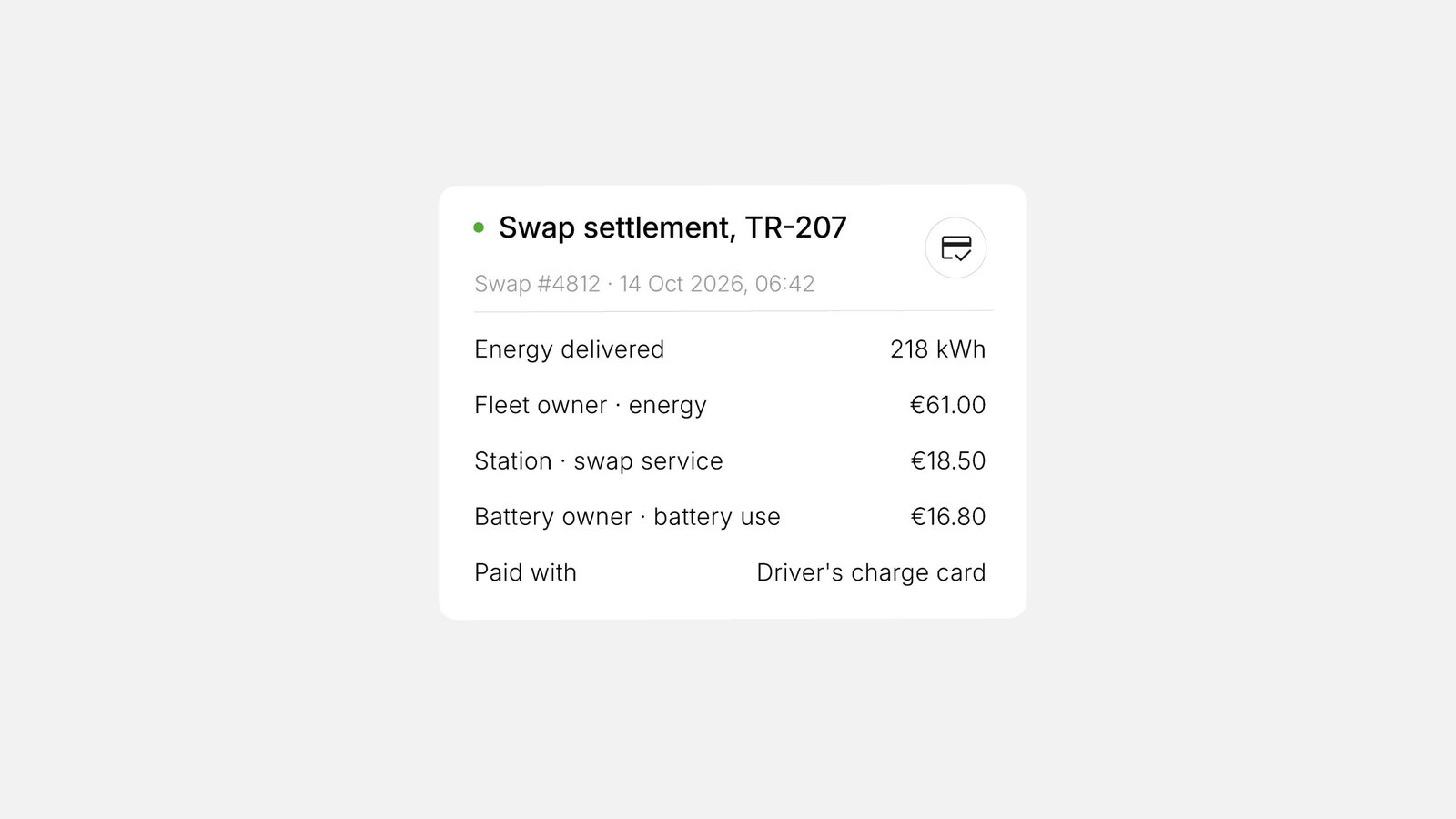
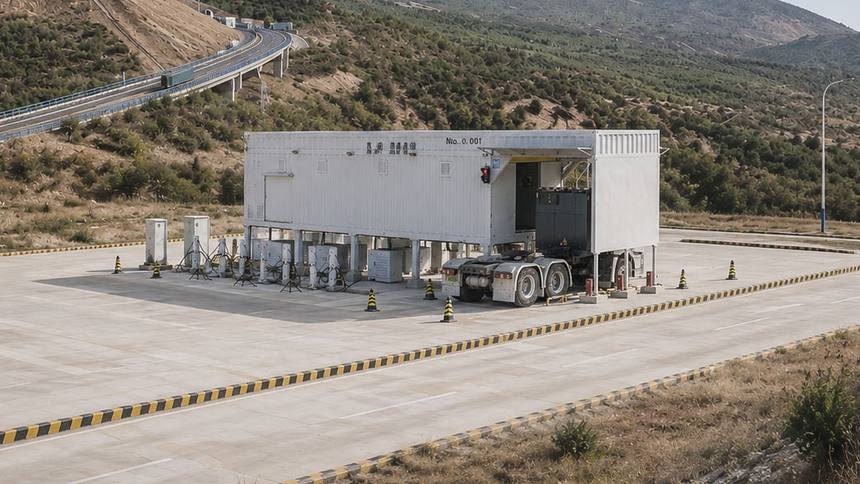
Battery swap settlementSplits every swap between driver, fleet, station and pack owner, and bills each of them correctly.
Driver appGives each driver a charging score and tips, because a certificate measures the damage and only behaviour prevents it.
Discuss features during a live demo
The BMB team shows which features fit which batteries, with the features running in a live demo.