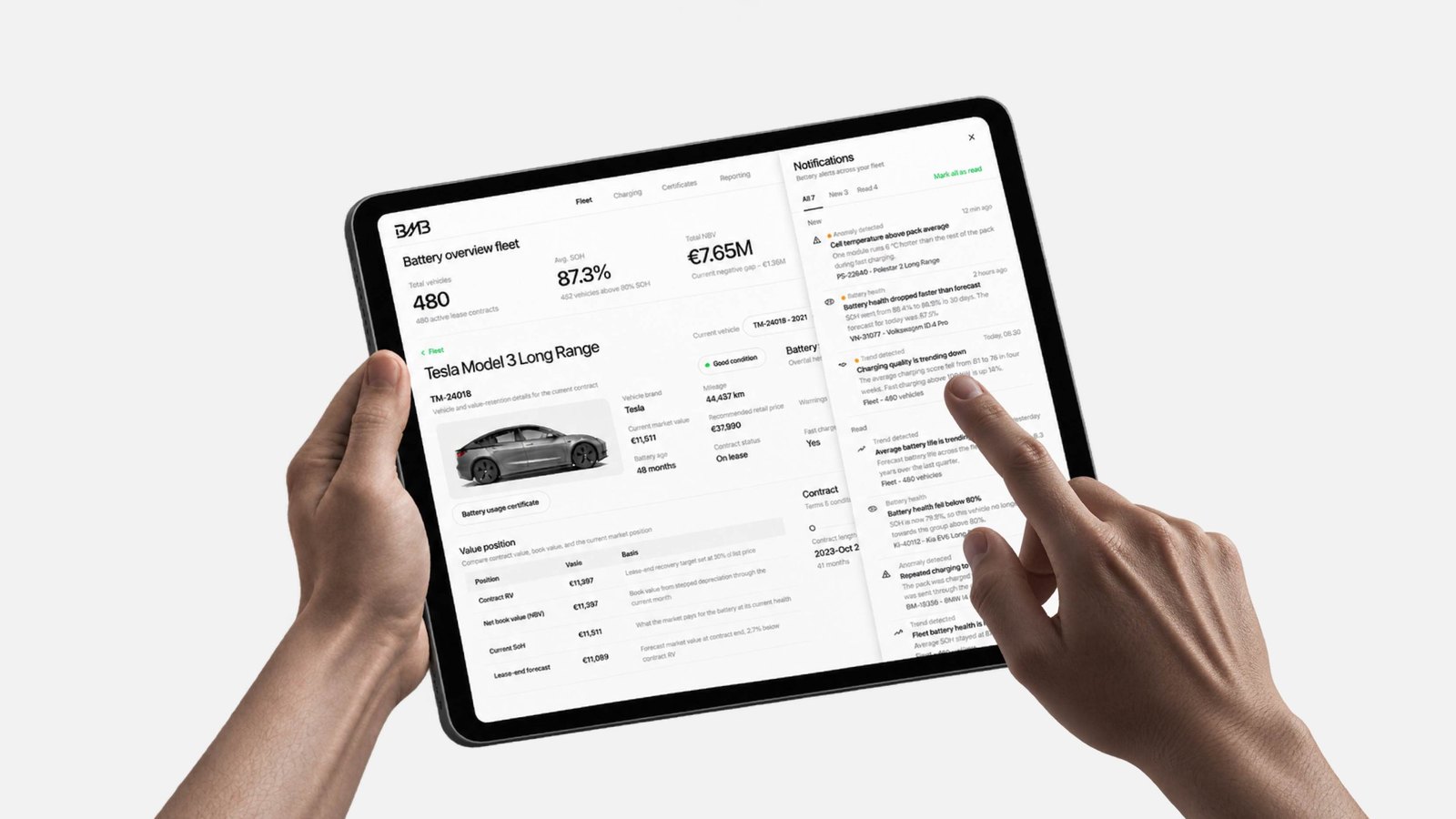
Battery protect
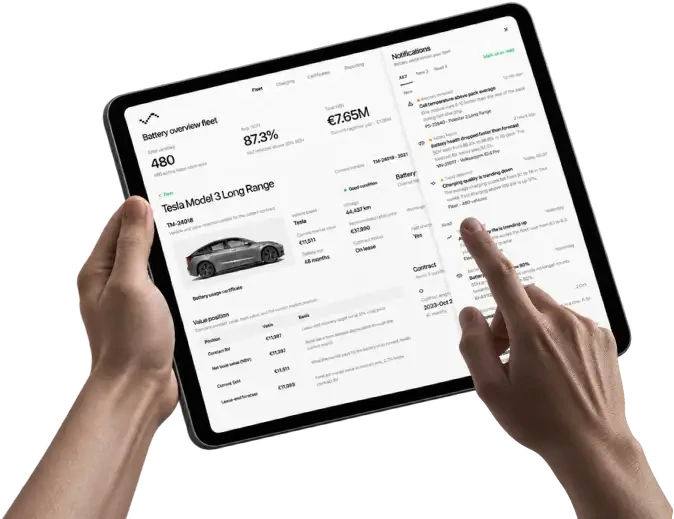
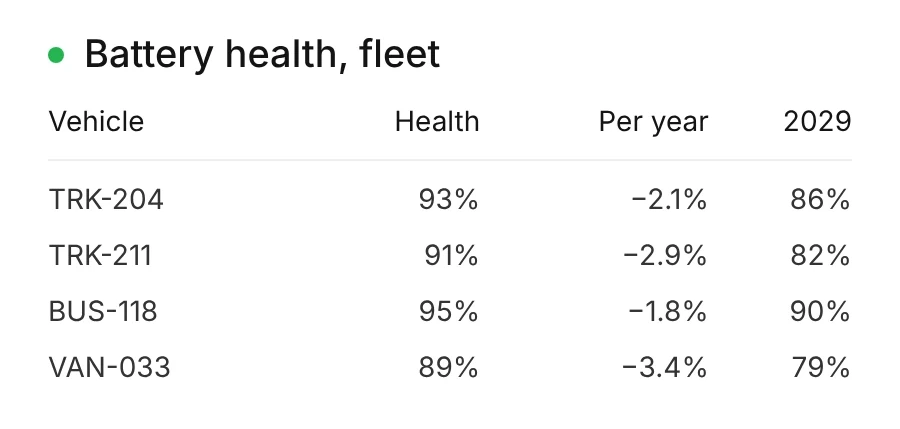
Battery protect measures true state of health per pack continuously and forecasts what is left in 5 to 10 years.
Learn moreBattery intelligence for the assets operators own and the ones they serve, from the first charge through to residual value.
Explore platform


Four industries, one intelligence platform: batteries that last longer, keep their value and give warning before a fault.
See all industries


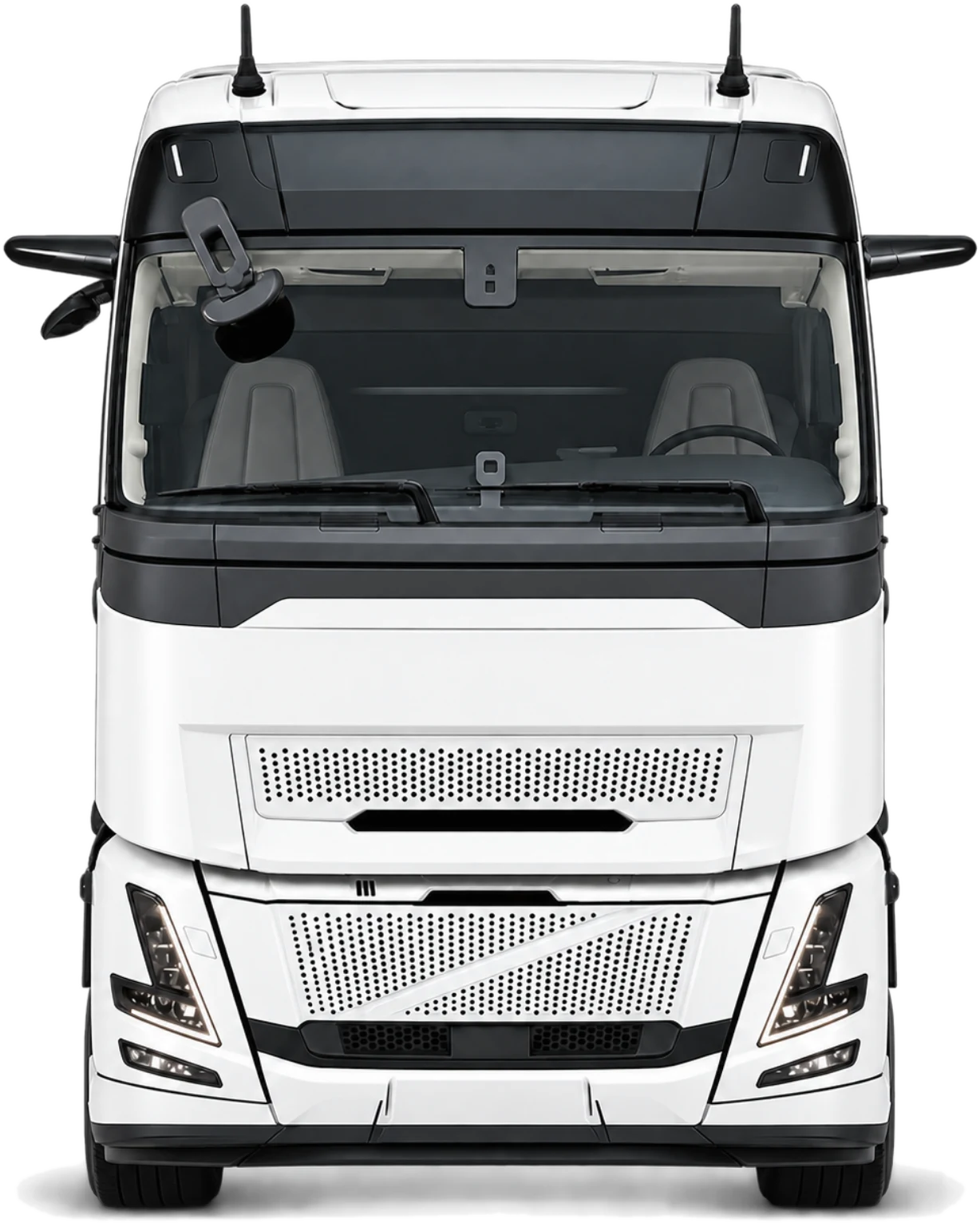
BMB reads the real health of the pack inside every electric bus, truck and van from its own data, and forecasts what is left.
Request a demoYour contact in Europe
Your contact in APAC
The battery pack is the single most expensive part of an electric bus, truck or van. It delivers the range today, the resale value later and who pays when the warranty issue arises.
The job is to stay above the 80% warranty line as long as possible and to age the pack as slowly as possible. Fleet owners also want to use as much of the capacity they paid for.
There is no standard way to measure a vehicle battery’s health, so one maker’s number cannot be compared with another’s. The vehicle’s own estimate gets less accurate as the pack ages, exactly when the 80% line, typically after six years, decides who pays.
| Topic | Today | With BMB |
|---|---|---|
| Health figure | The vehicle’s own estimate, different for every manufacturer | One measured figure per pack, comparable across makes and models |
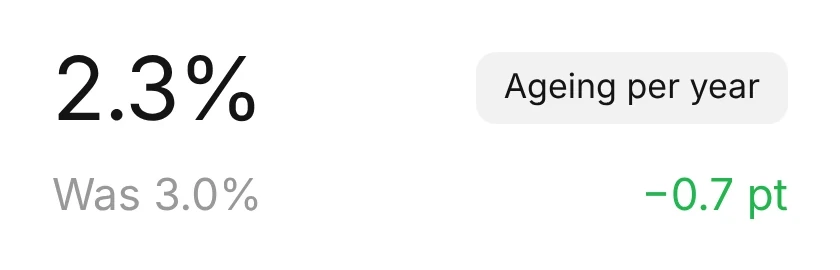
| Ageing | Heavy commercial packs that mostly fast charge lose around 5% a year | Charging planned around the pack, with up to 14% less degradation over 100,000 km |
| Cell faults | Found when a vehicle breaks down or will not charge | Cells running hot or drifting out of balance flagged long before |
| Resale value | No sales history to price a used pack against | An independent record of use and remaining capacity |
| Warranty line | Found out when the pack crosses 80% | A forecast of when each pack gets there |
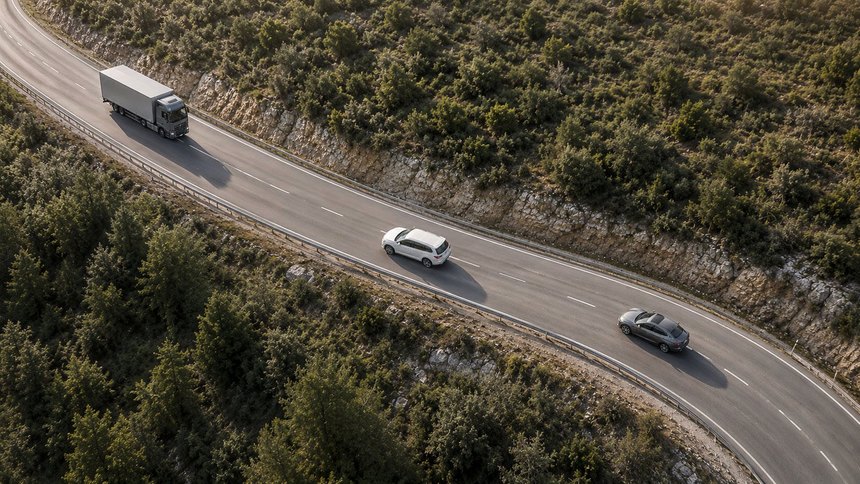
Buses and trucks run their packs nearly empty every day and charge at 150 to 400 kW, which roughly doubles ageing. Most depots still plug in and charge at full speed on arrival instead of charging gently to a plan.
BMB reads the usable capacity of every pack from its operating data, instead of from the manufacturer’s battery management system (BMS). It forecasts what is left in 5 to 10 years. That forecast is the residual value to depreciate, insure and resell against.
The first generation of electric buses and trucks has not reached the end of its first life. There is no sales history yet to price a used pack against. A usage certificate per pack records how it was used and what is left, ready for a buyer, an insurer or the 2027 battery passport.
Five features run on the data the vehicles already produce: Battery protect, Health charging, Anomaly detection, Driver app and Usage certificate.
Battery protect measures true state of health per pack continuously and forecasts what is left in 5 to 10 years.
Learn more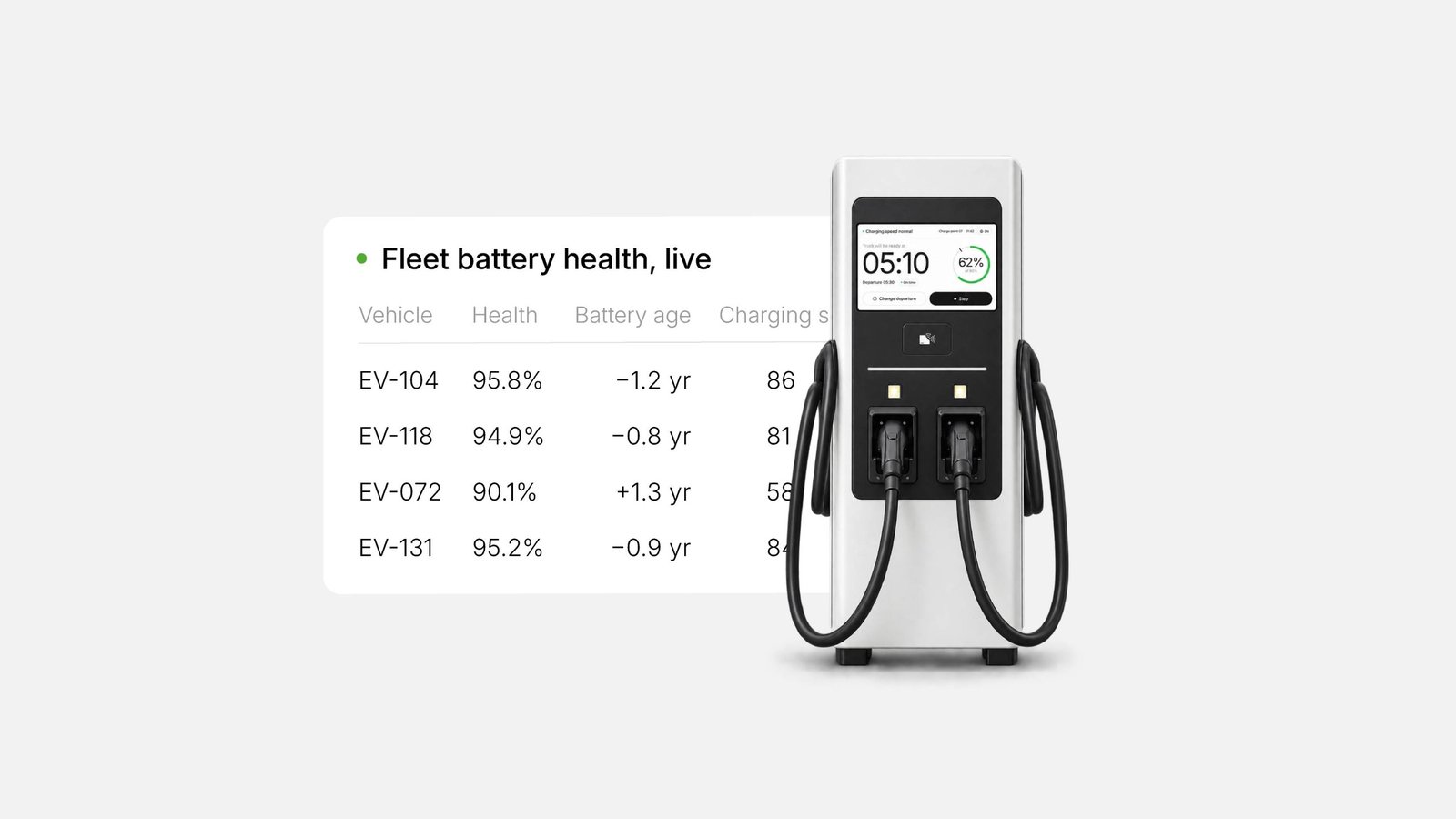
Health charging shaves the current peaks that do the damage. A pack degrades up to 14% less over 100,000 km, at a similar charging speed.
Learn more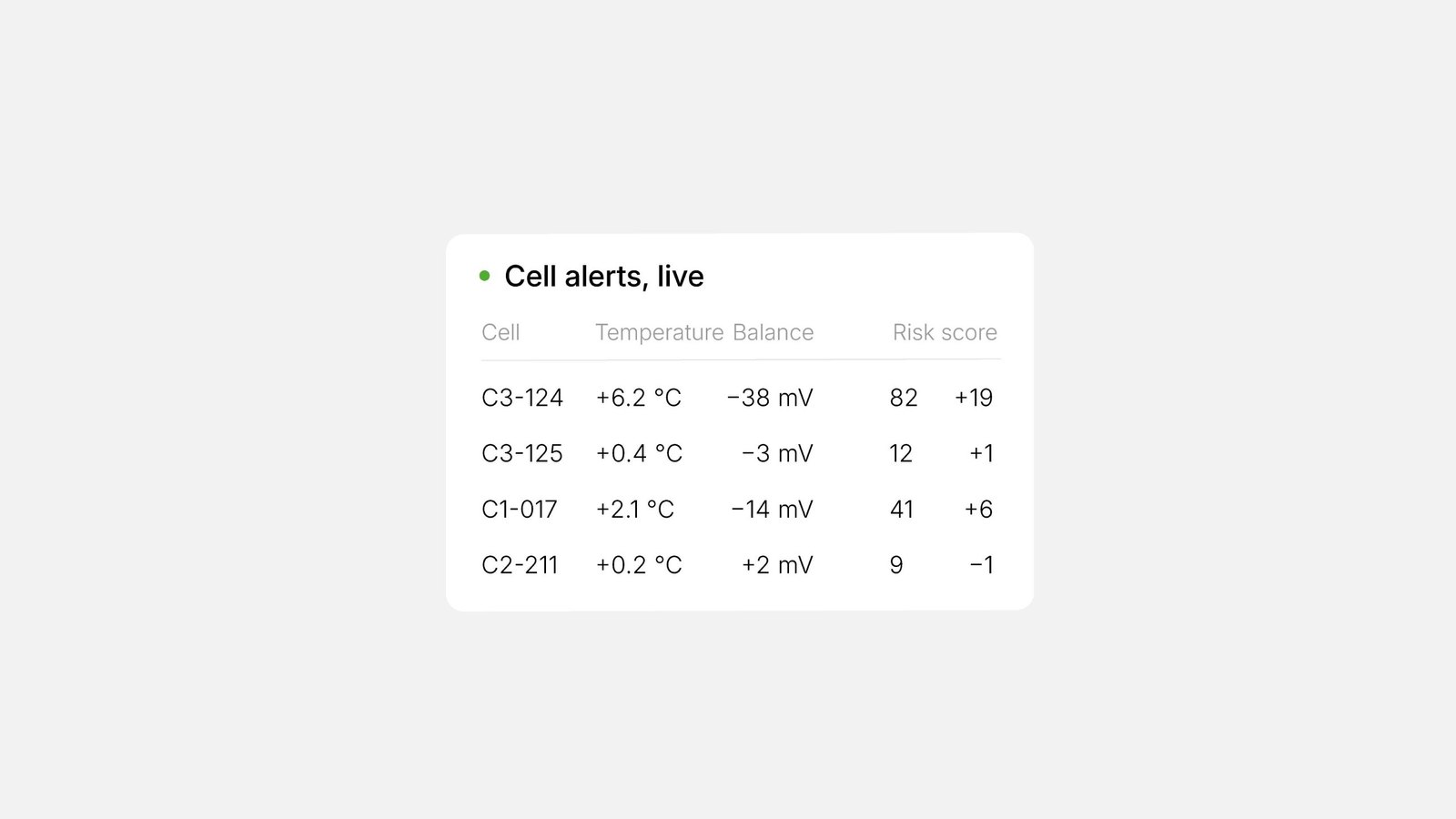
Anomaly detection flags cells running hot or drifting out of balance in real time, long before the next test.
Learn more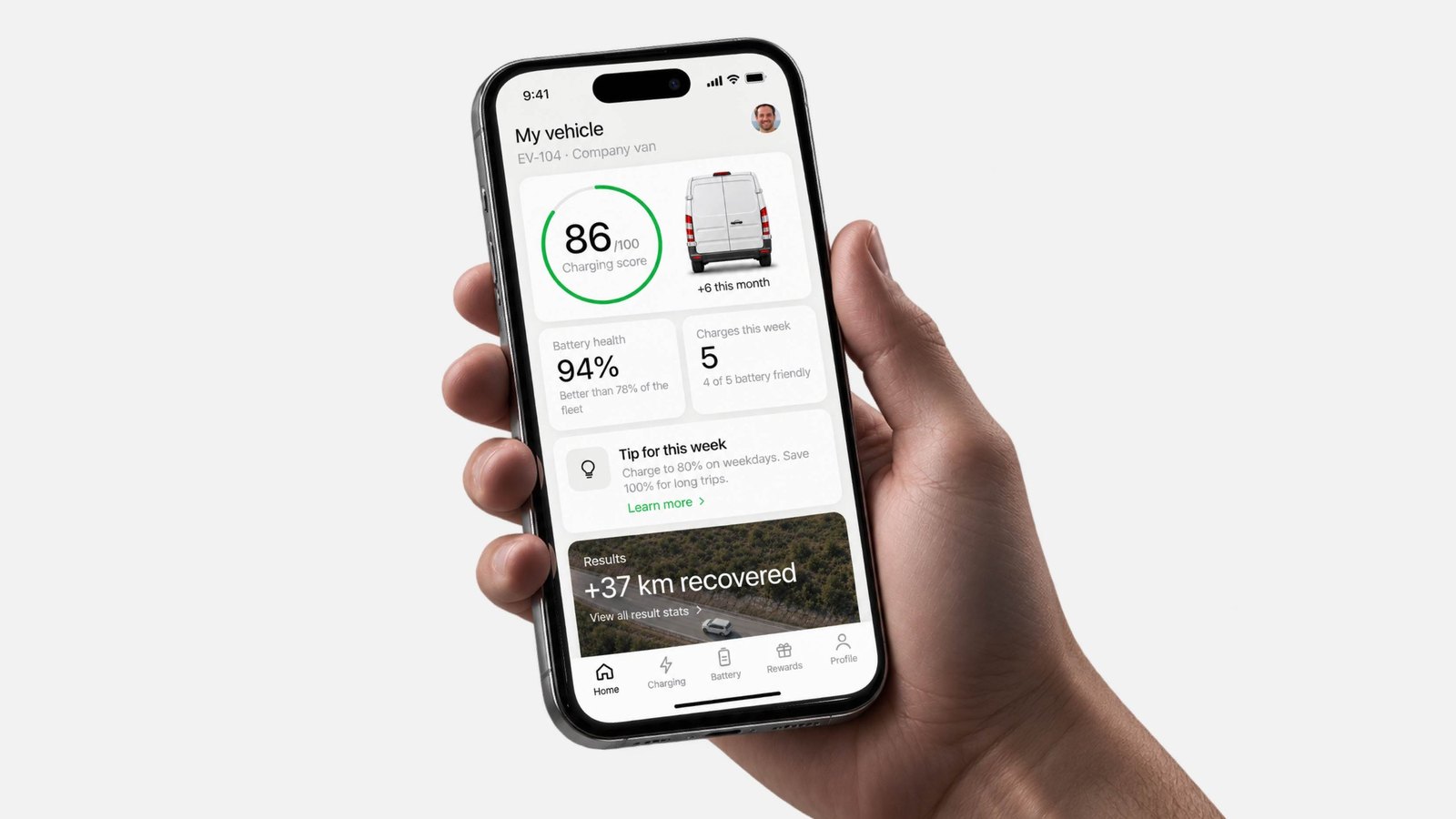
Driver app gives each driver a charging score and tips, because a certificate measures the damage and only behaviour prevents it.
Learn more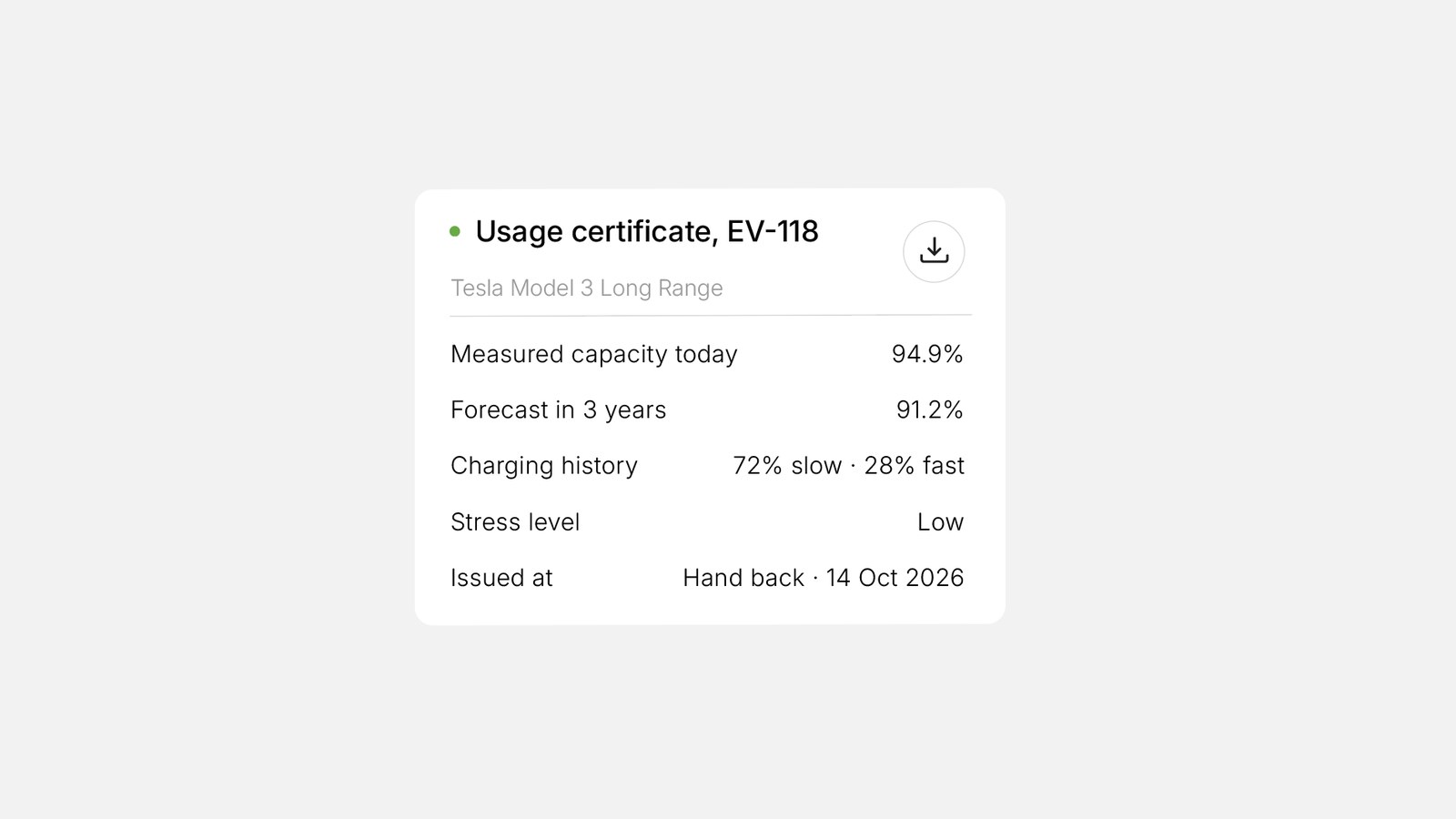
Usage certificate gives every pack an independent record of its treatment and remaining capacity, ready for a buyer, an insurer or the 2027 passport.
Learn moreThe BMB team shows which features fit which batteries, with the features running in a live demo.
Your contact in Europe
Your contact in APAC