Health charging
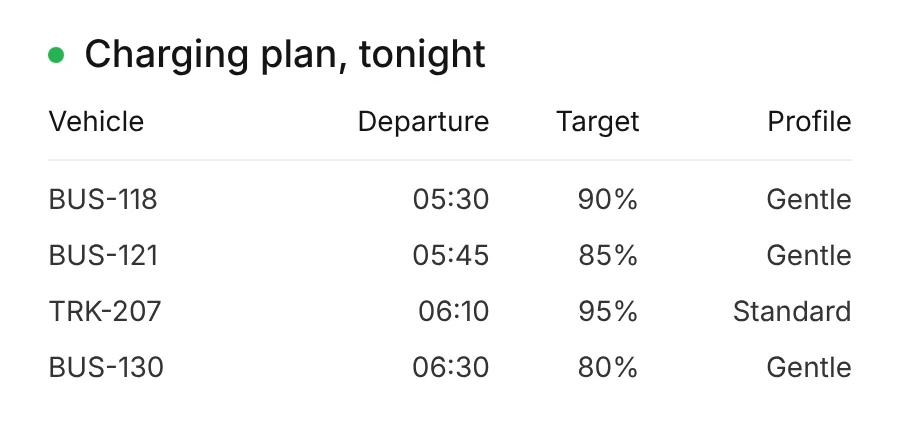
Health charging shaves the current peaks that do the damage. A pack degrades up to 14% less over 100,000 km, at a similar charging speed.
Learn moreBattery intelligence for the assets operators own and the ones they serve, from the first charge through to residual value.
Explore platform


Four industries, one intelligence platform: batteries that last longer, keep their value and give warning before a fault.
See all industries


BMB measures every pack a provider charges, finances or guarantees. The promise to the fleet customer lasts as long as the contract.
Request a demoYour contact in Europe
Your contact in APAC
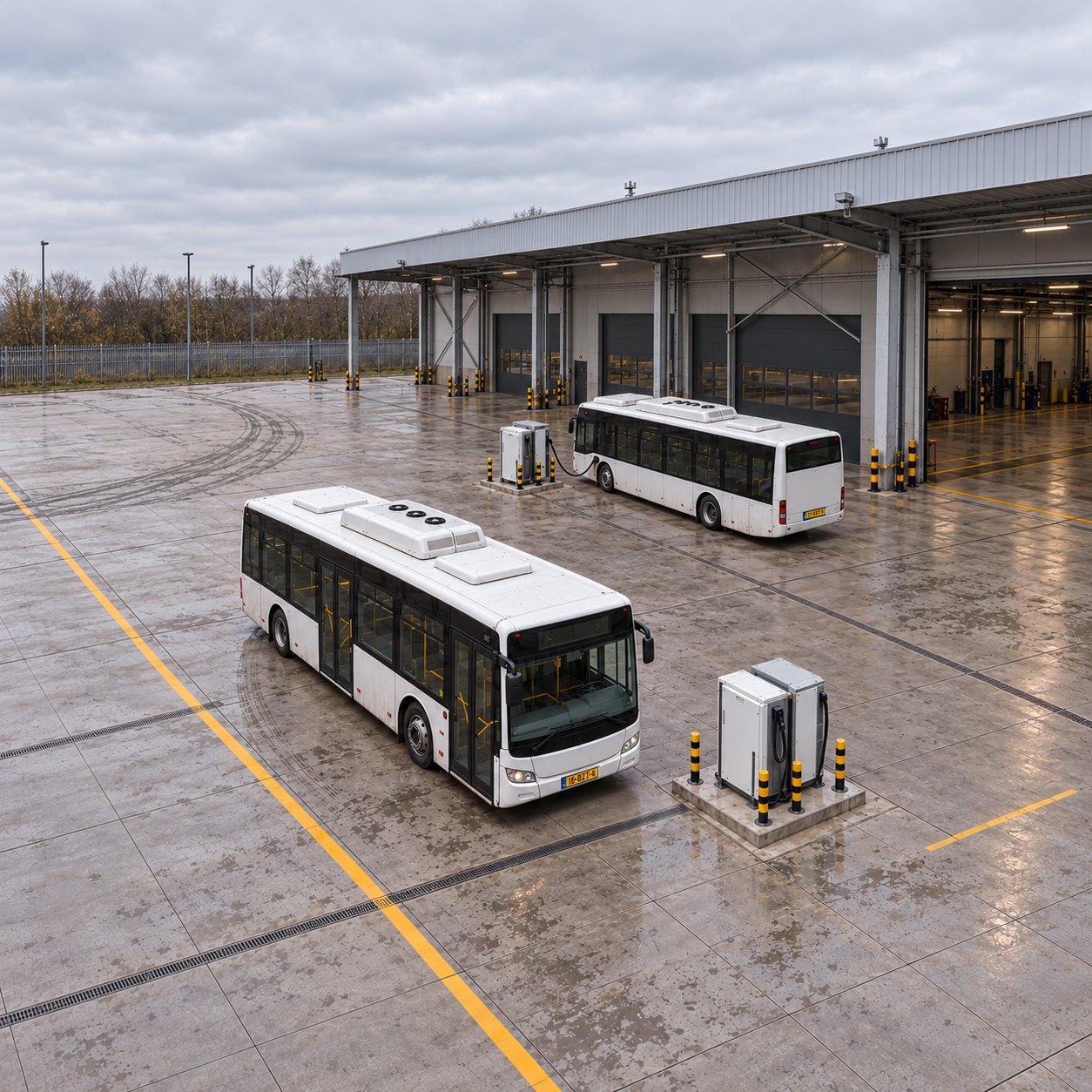
Fleet charging and energy service providers run the electric side of a bus, coach or truck fleet. They build or operate the depot chargers, manage the energy and often finance the batteries. The vehicle stays with the operator.
The job is to deliver each kWh at the lowest total cost and keep the depot’s peak inside the grid connection. Every bus also has to be charged enough when it leaves.
Providers guarantee battery performance to the bus operator for the length of the contract, often ten years. The manufacturer’s warranty runs five to eight. The gap is on the provider, and the provider cannot measure the pack it guarantees.
| Topic | Today | With BMB |
|---|---|---|
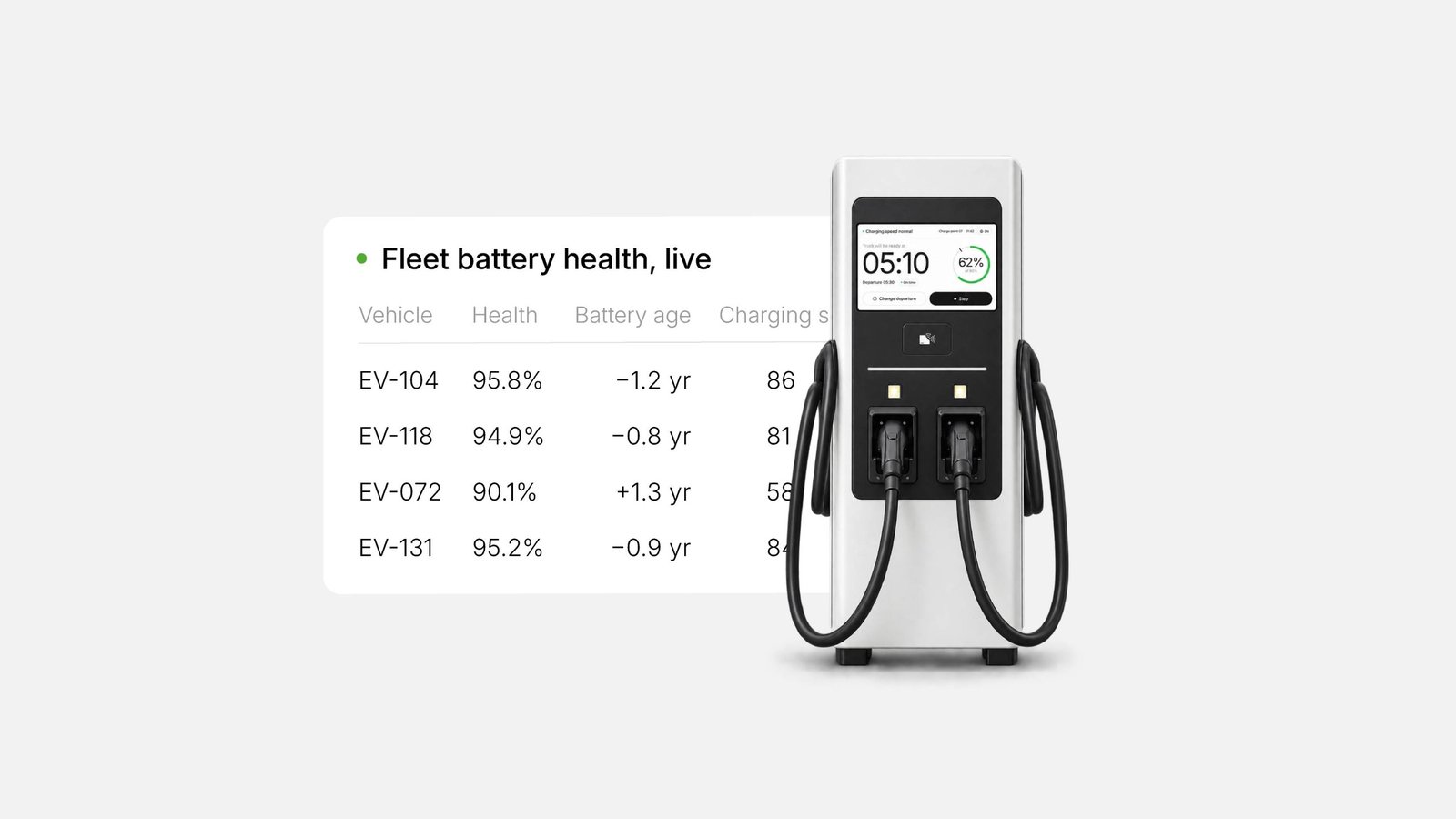
| Battery health | The bus’s own BMS figure | A health figure per pack, independent of the manufacturer |
| Night plan | Built on price, grid limit and timetable | Built with what each session costs in battery life |
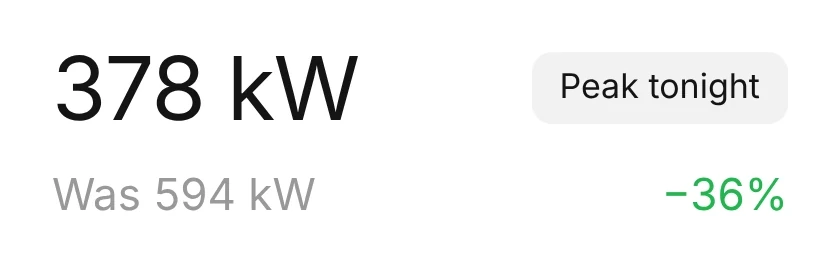
| Grid connection | The peak decides whether the depot fits | Charging spread, which cut the grid capacity needed by over 40% in one depot study |
| Hidden faults | Found when a bus does not finish its route | Flagged the evening before |
| Fire insurance | Premiums set high without data on the batteries and chargers in the depot | Batteries and chargers monitored continuously, which supports lower premiums |
Field data from one battery intelligence provider suggests that around 7% of e-buses in public transport fleets carry faults the bus’s own BMS never flags. The depot finds out when the bus does not finish its route, not the evening before.
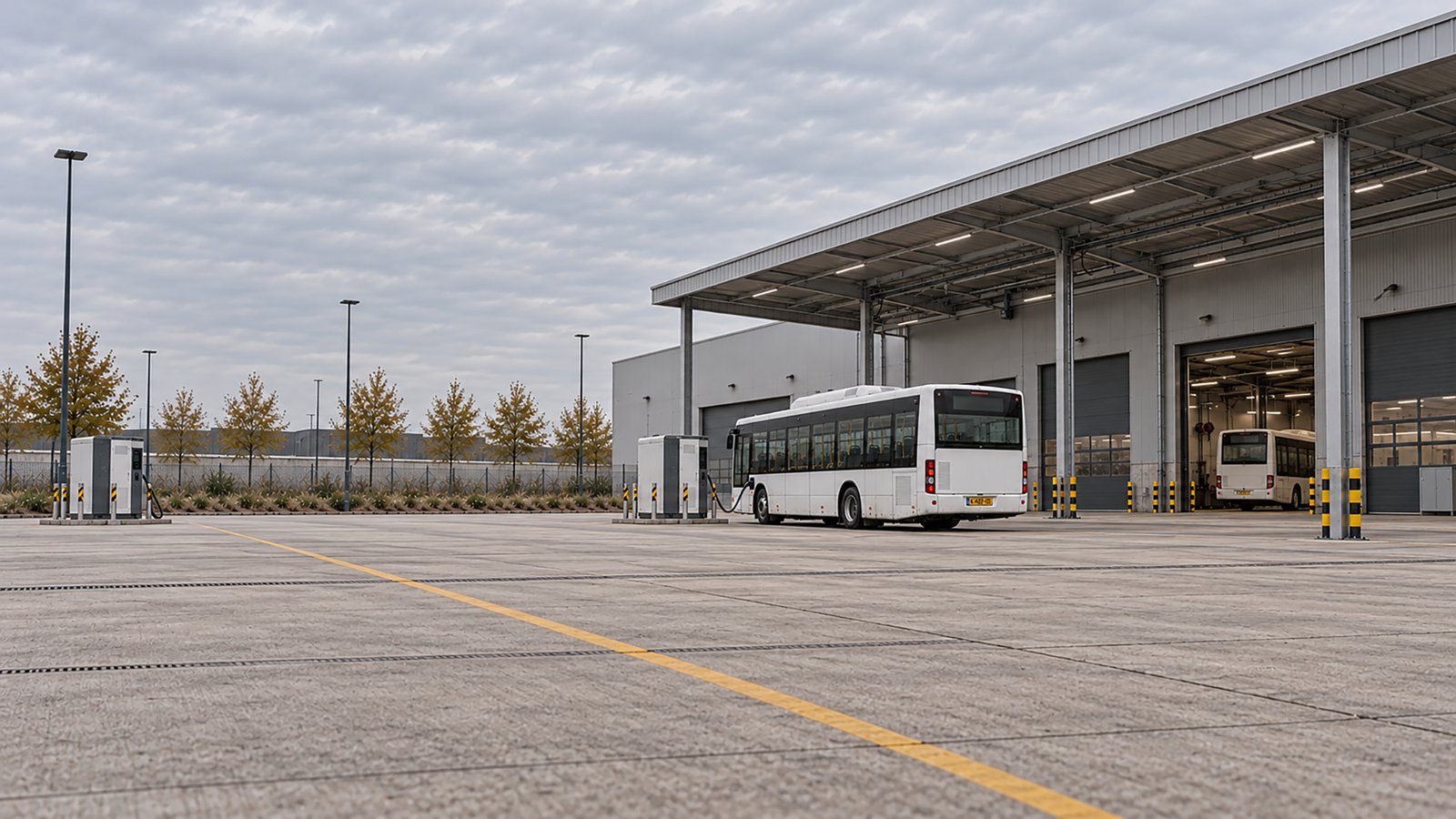
The battery pack is €140,000 to €175,000 per bus, and the warranty ends years before the contract does. An SoH figure per pack, independent of the manufacturer, is the number behind every capacity guarantee the provider signs.
Buses run for 10 to 20 years and are often owned by the operator, so the State of Health has to last. Even at only 4% degradation a year, a pack is close to useless after 15 years, and sooner after a cold winter. Measuring the SoH is not enough. Health charging reduces the strain on every charge, with up to 14% less degradation over 100,000 km.
In one study of four depots, smart charging cut electricity cost by more than half compared with charging at full power on arrival. Spreading the charging also lowered the grid capacity needed by over 40%. Health charging keeps that saving without paying for it in battery life.
Four features run on the data the chargers and buses already produce: Health charging, Peak shaving, Battery protect and Anomaly detection.
Health charging shaves the current peaks that do the damage. A pack degrades up to 14% less over 100,000 km, at a similar charging speed.
Learn more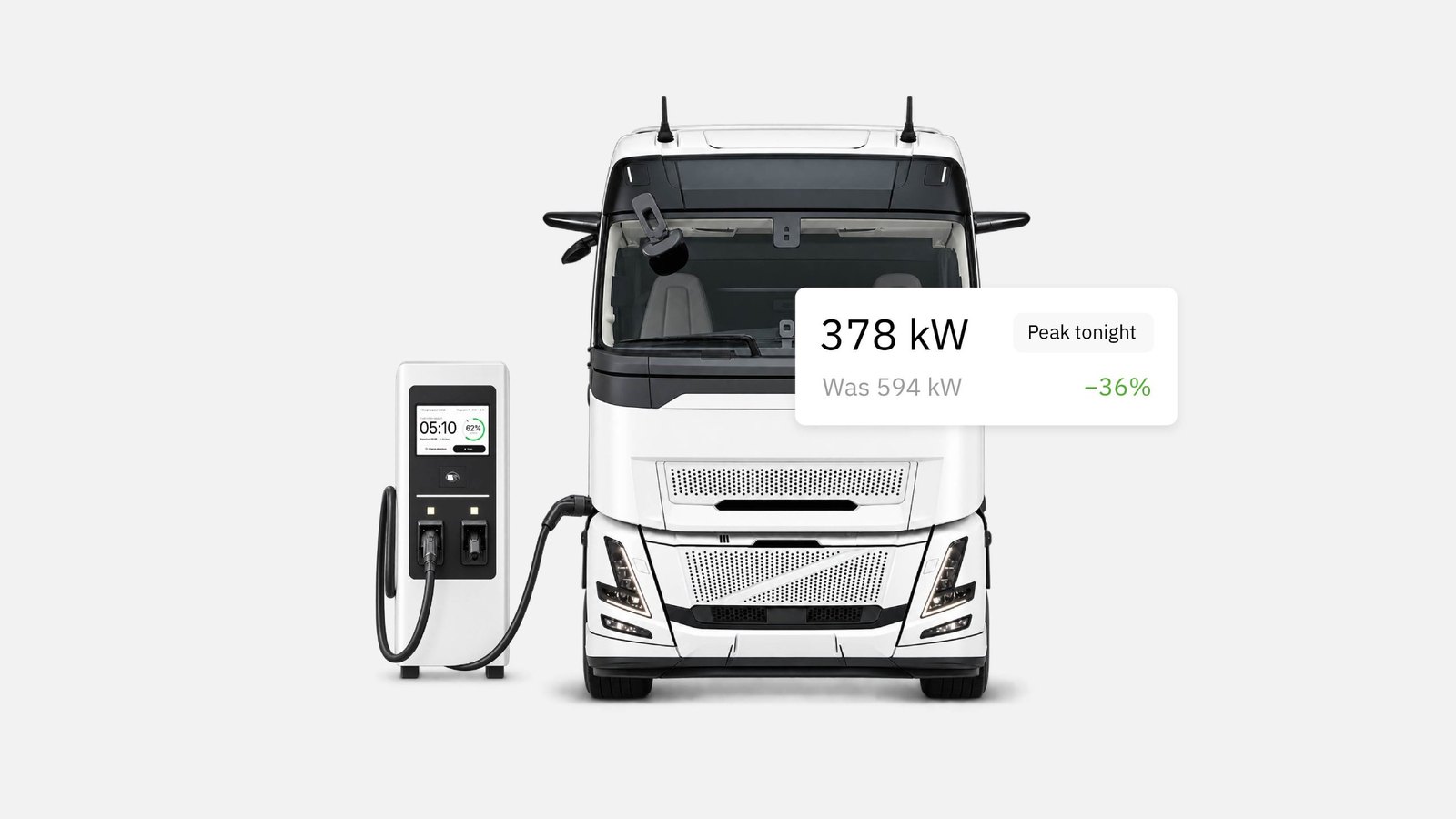
Peak shaving spreads the site’s power draw over the night. The billed peak comes down, and the existing grid connection goes further.
Learn more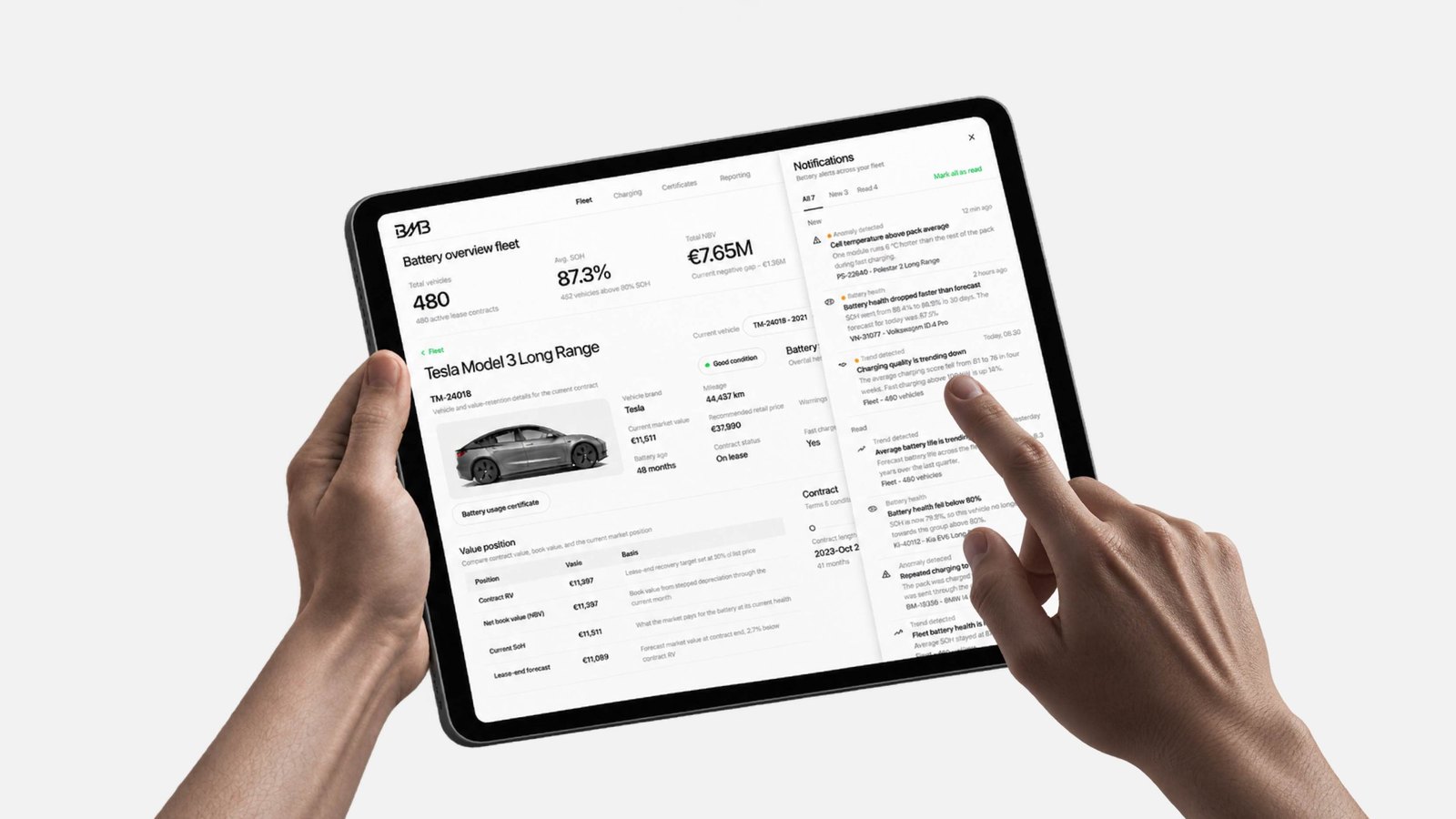
Battery protect measures true state of health per pack continuously and forecasts what is left in 5 to 10 years.
Learn more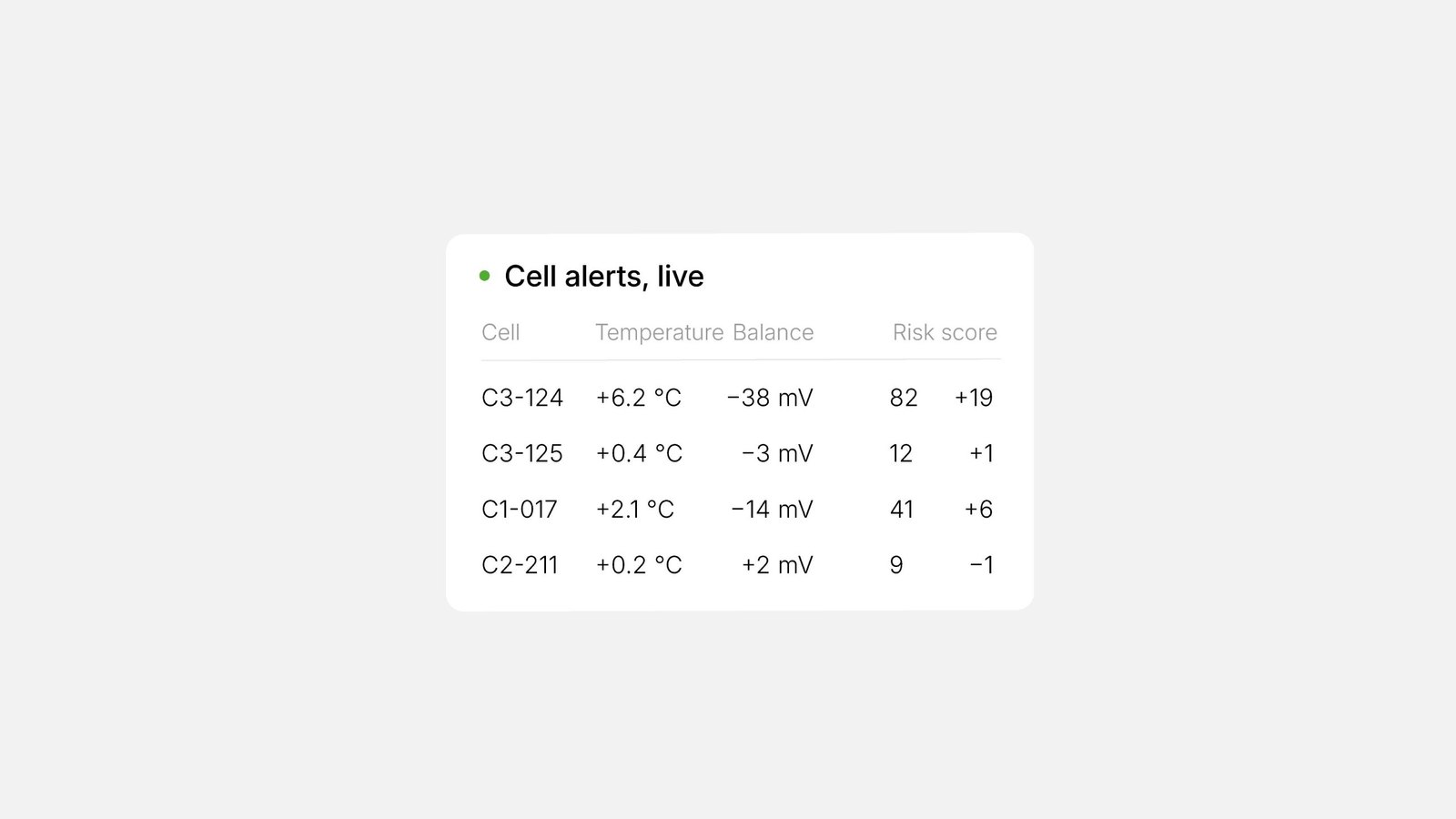
Anomaly detection flags cells running hot or drifting out of balance in real time, long before the next test.
Learn moreThe BMB team shows which features fit which batteries, with the features running in a live demo.
Your contact in Europe
Your contact in APAC