
Battery protect
Battery protect measures true state of health per pack continuously and forecasts what is left in 5 to 10 years.
Learn moreBattery intelligence for the assets operators own and the ones they serve, from the first charge through to residual value.
Explore platform


Four industries, one intelligence platform: batteries that last longer, keep their value and give warning before a fault.
See all industries


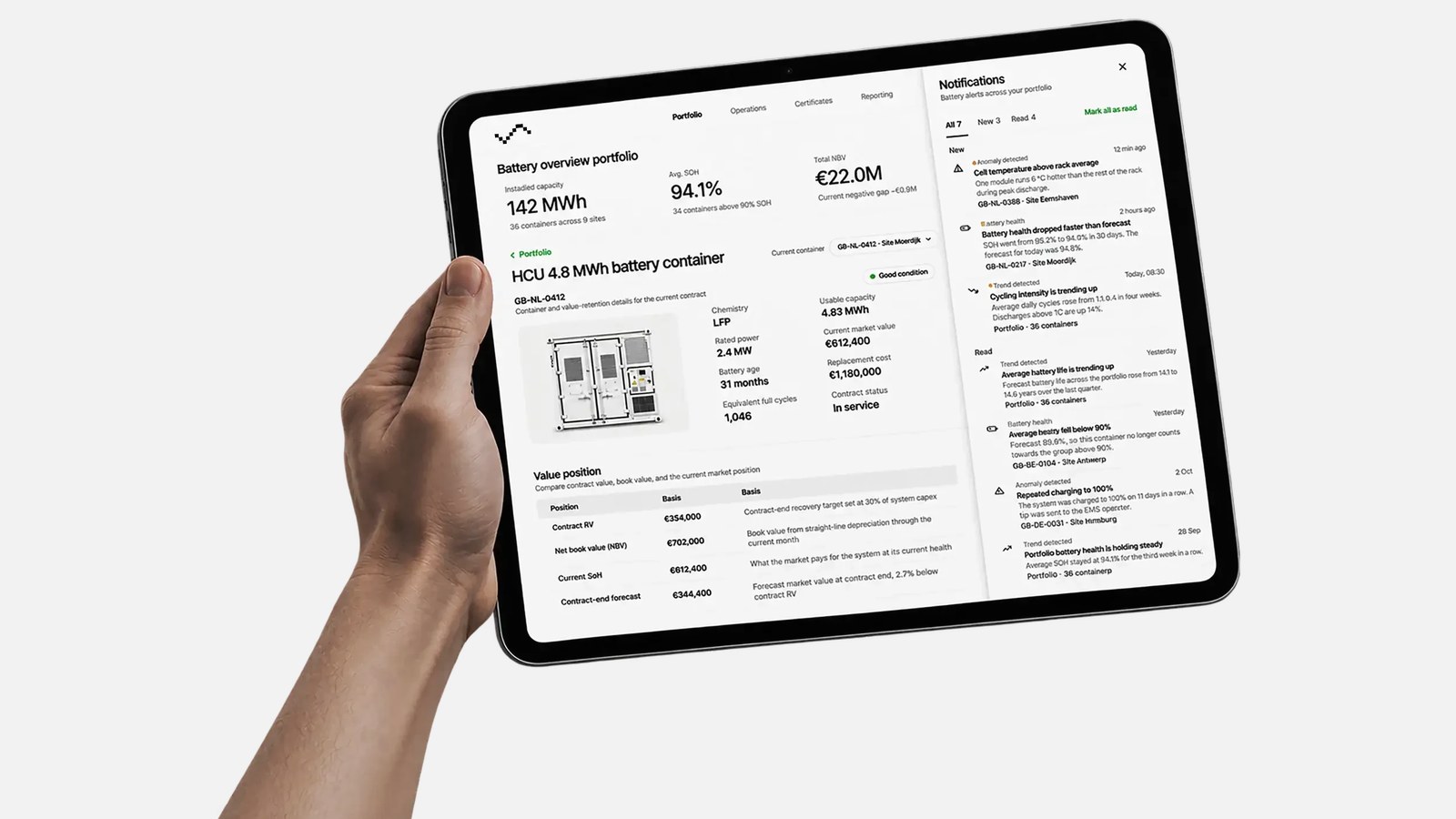
BMB gives storage operators a battery health figure that is theirs, not the supplier’s, read per rack every day without taking the battery offline.
Request a demoYour contact in Europe
Your contact in APAC
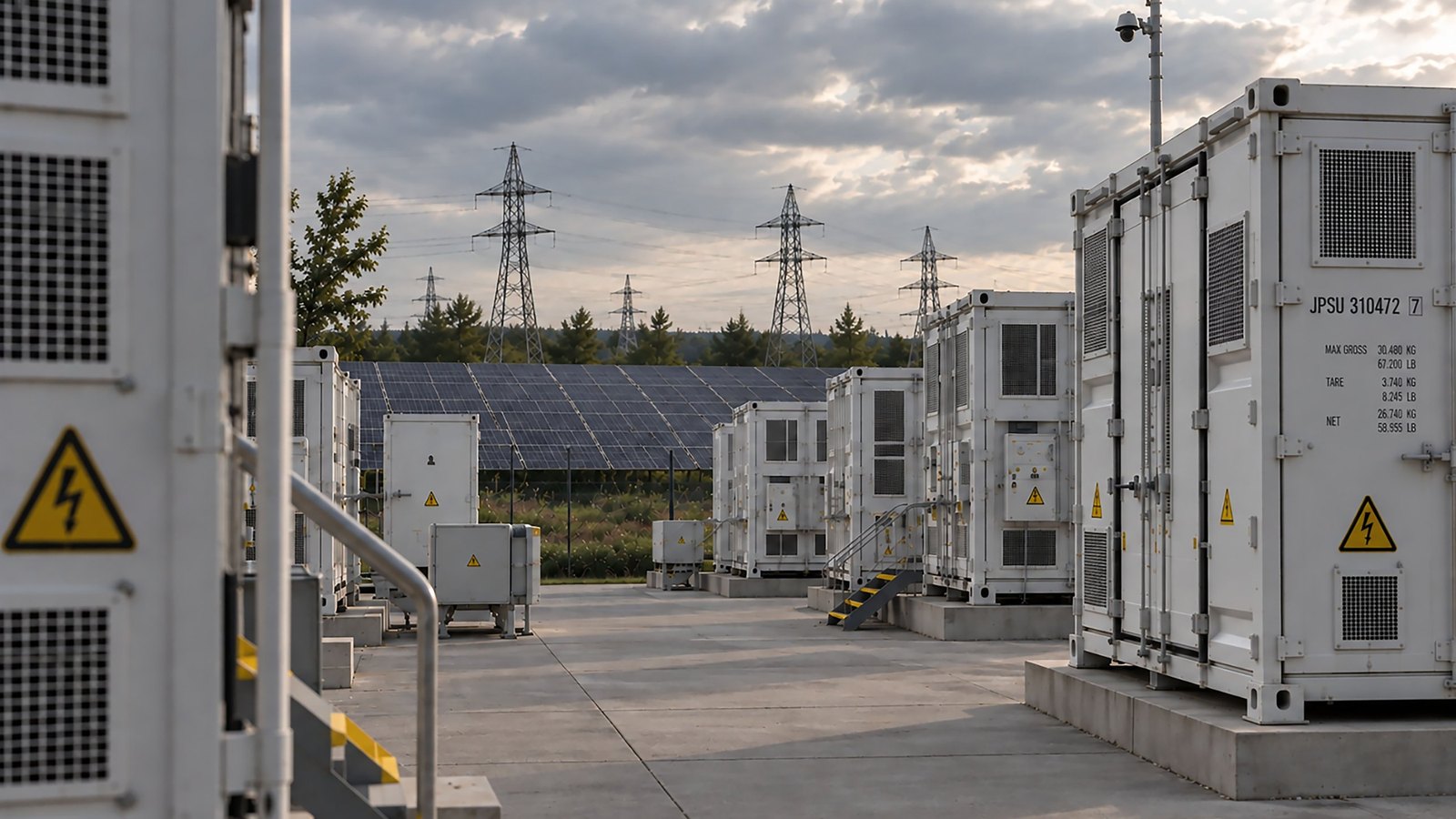
Grid scale storage operators run a battery energy storage system (BESS) that is often owned or financed by an investor. The day to day trading goes to an optimiser. BMB works alongside all parties in the chain, including the energy management system (EMS), as the neutral data layer inside the system they already run. Revenue swung between £41,000 and £70,000 per MW in a single quarter, so beating the market average is the whole job.
That means keeping the battery ready to deliver what it is paid for, measured at the grid connection point. It also means losing capacity no faster than the supplier guaranteed.
The only health number for a 5 MWh asset comes from the supplier’s own battery management system. Yet the supplier is the party that pays if the guarantee is broken. To check real capacity, the battery is taken off the market for a test once a year. The other 364 days, the asset manager tracks charge cycles, charge limits and warranty terms across spreadsheets and supplier portals.
| Topic | Today | With BMB |
|---|---|---|
| Health figure | From the supplier’s own battery management system | Read from how the battery behaves, per rack, every day |
| Capacity check | A yearly test that takes the battery off the market | Continuous, without taking the battery offline |
| Energy behind cells out of balance | Up to 10% sits unused | Found and brought back, inside the manufacturer’s limit |
| Warranty claim | The supplier reports on its own promise | An independent number when capacity drops faster than promised |
| Cost of a cycle | The trader does not see what a cycle costs in battery life | Each cycle’s cost in battery life, next to what it earned |
The trader and the asset manager sit in different systems. The trader does not see what a cycle costs in battery life. The asset manager does not see what it earned. Nobody puts the two side by side.
BMB reads capacity from how the battery actually behaves, instead of from the supplier’s BMS. Where the BMS data is too coarse, a BMB edge unit next to the battery reads the cells second by second. It finds the last of the unused capacity.
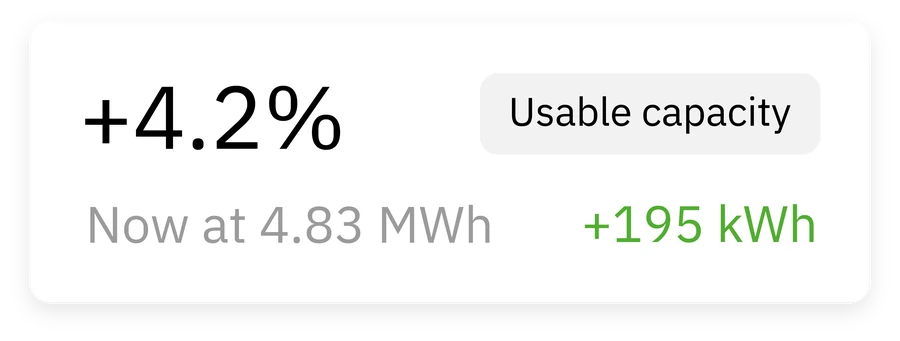
BMB gives storage operators more usable capacity. They also get a battery health figure that is their own, not the supplier’s, read per rack every day without taking the battery offline.
Up to 10% of the energy sits unused behind cells out of balance and cautious cut offs. Recovering it is revenue on hardware already bought. And when capacity drops faster than promised, an independent number makes the warranty claim stick.
Four features run on the data the BESS already produces: Battery protect, Capacity unlock, Peak shaving and Anomaly detection.
Battery protect measures true state of health per pack continuously and forecasts what is left in 5 to 10 years.
Learn more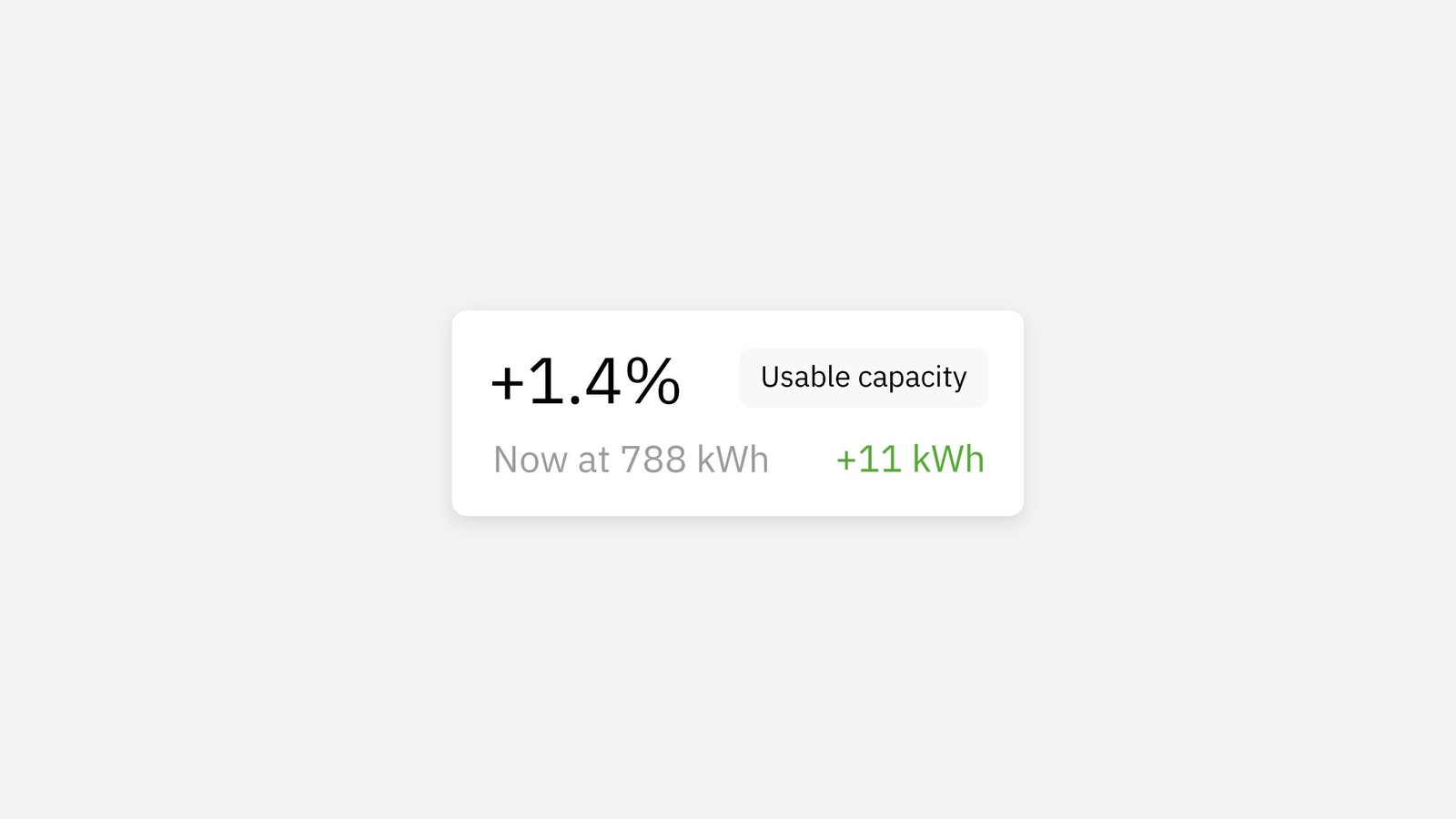
Capacity unlock works out how much of the rated capacity a pack really delivers, and brings it back towards the limit. It runs on live data, through a BMB edge unit on site or a software link (API).
Learn more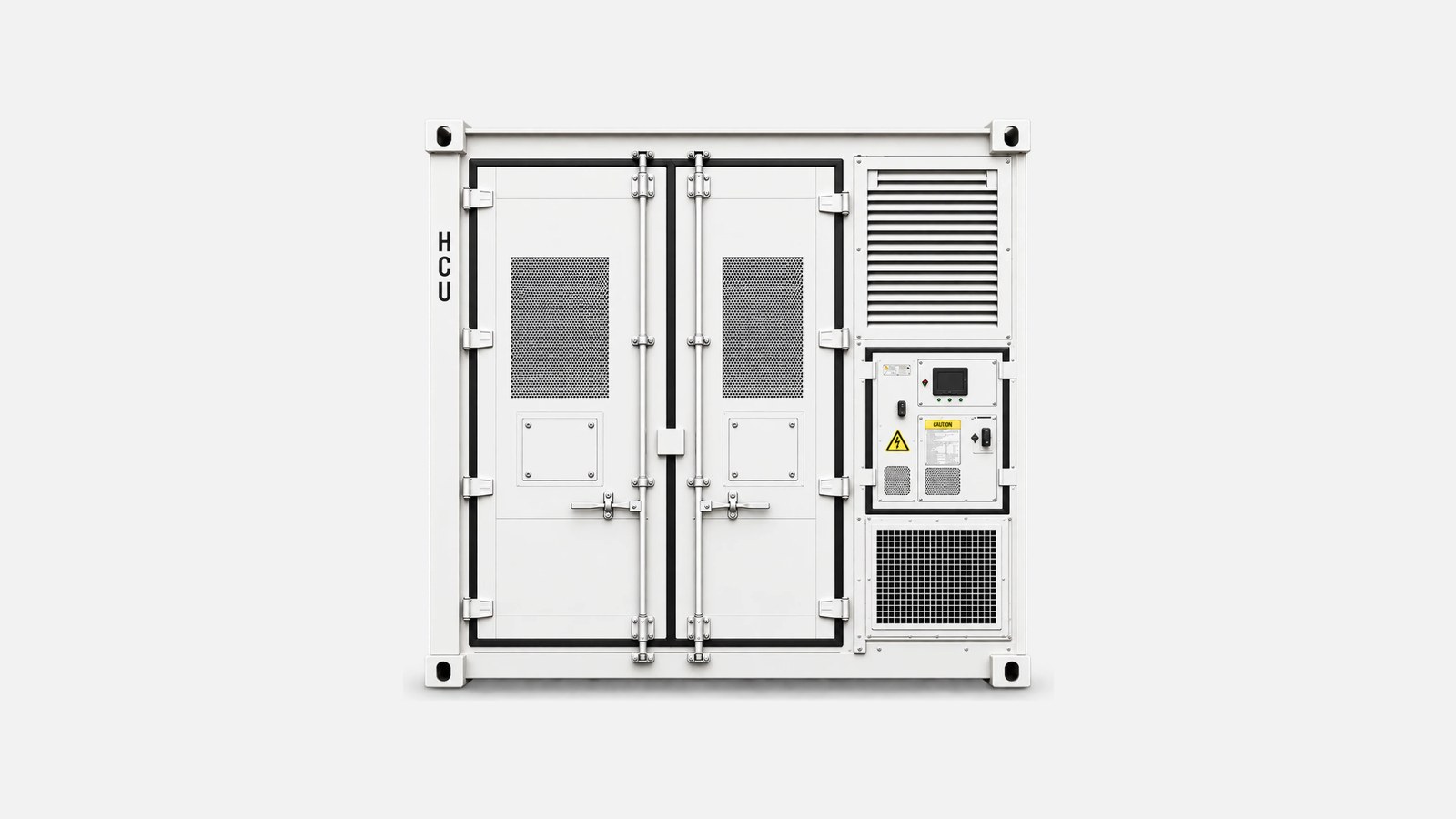
Peak shaving spreads the site’s power draw over the night. The billed peak comes down, and the existing grid connection goes further.
Learn more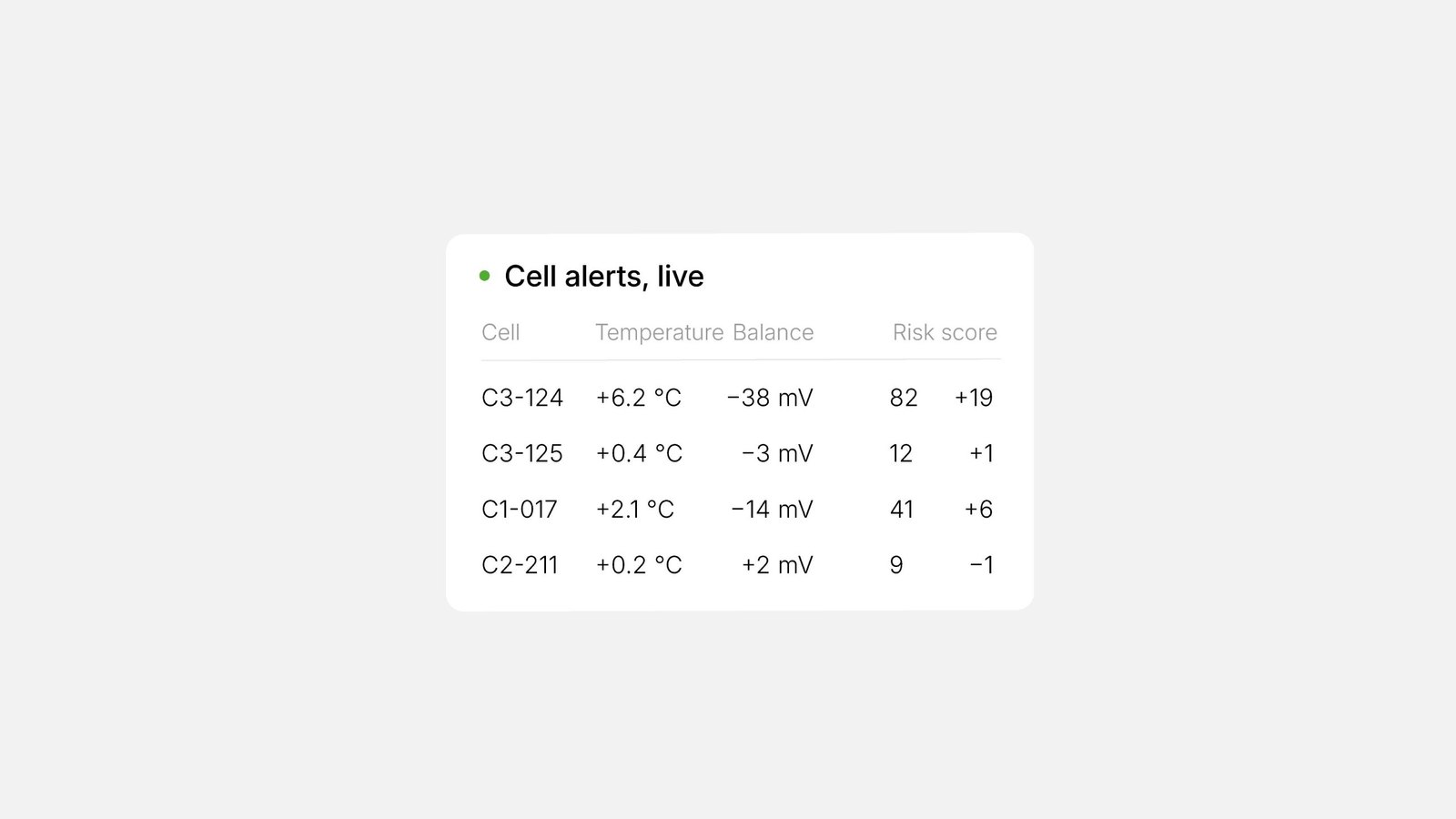
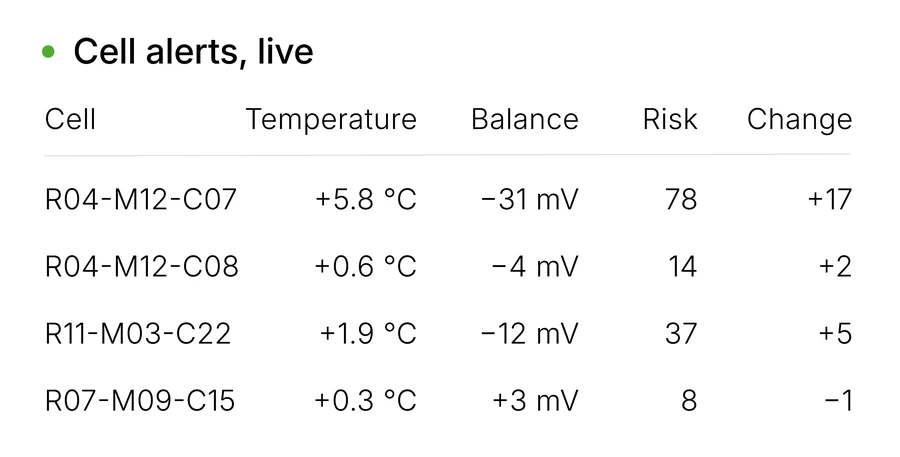
Anomaly detection flags cells running hot or drifting out of balance in real time, long before the next test.
Learn moreThe BMB team shows which features fit which batteries, with the features running in a live demo.
Your contact in Europe
Your contact in APAC
