Battery protect
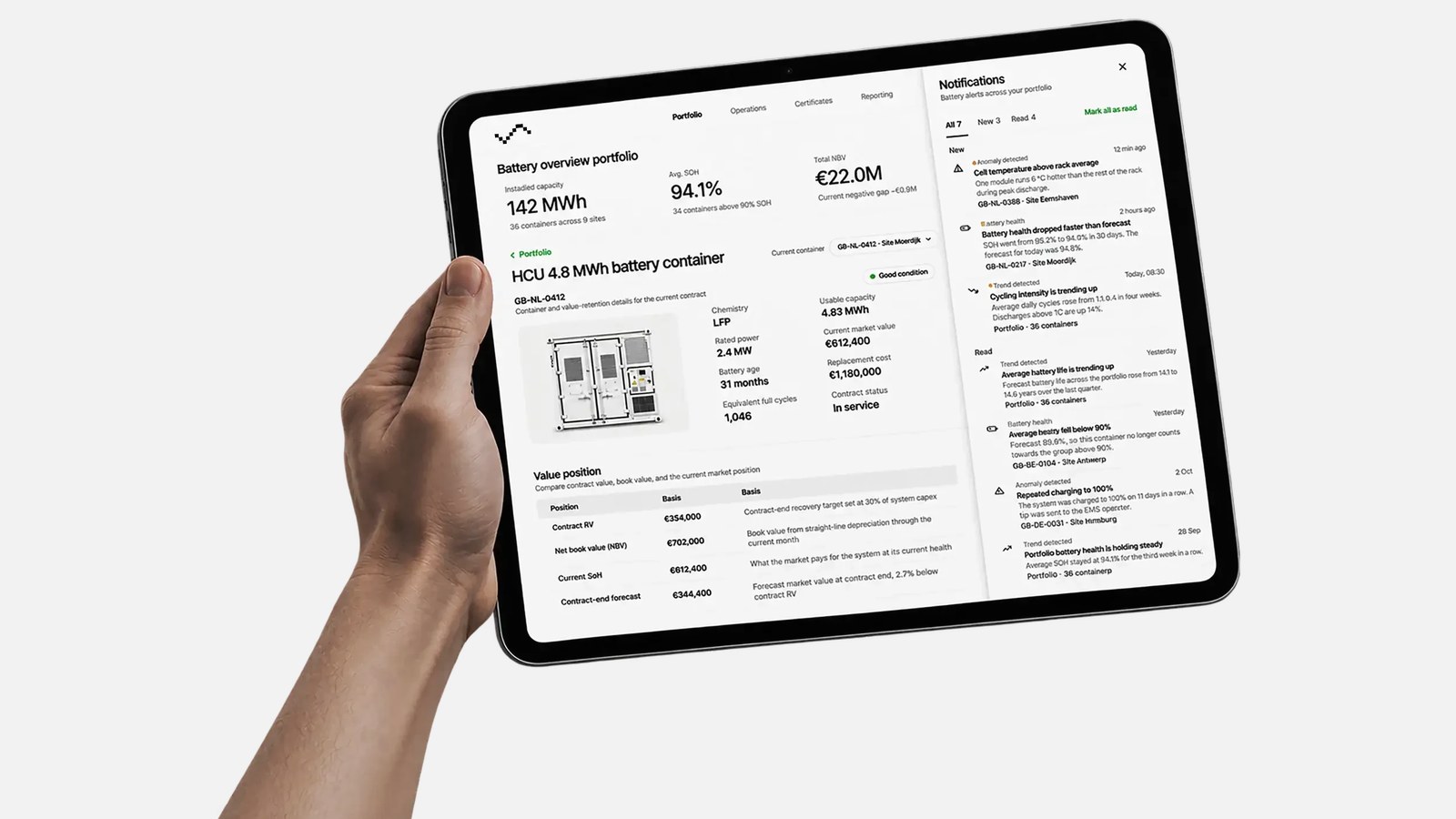
Battery protect measures true state of health per pack continuously and forecasts what is left in 5 to 10 years.
Learn moreBattery intelligence for the assets operators own and the ones they serve, from the first charge through to residual value.
Explore platform


Four industries, one intelligence platform: batteries that last longer, keep their value and give warning before a fault.
See all industries


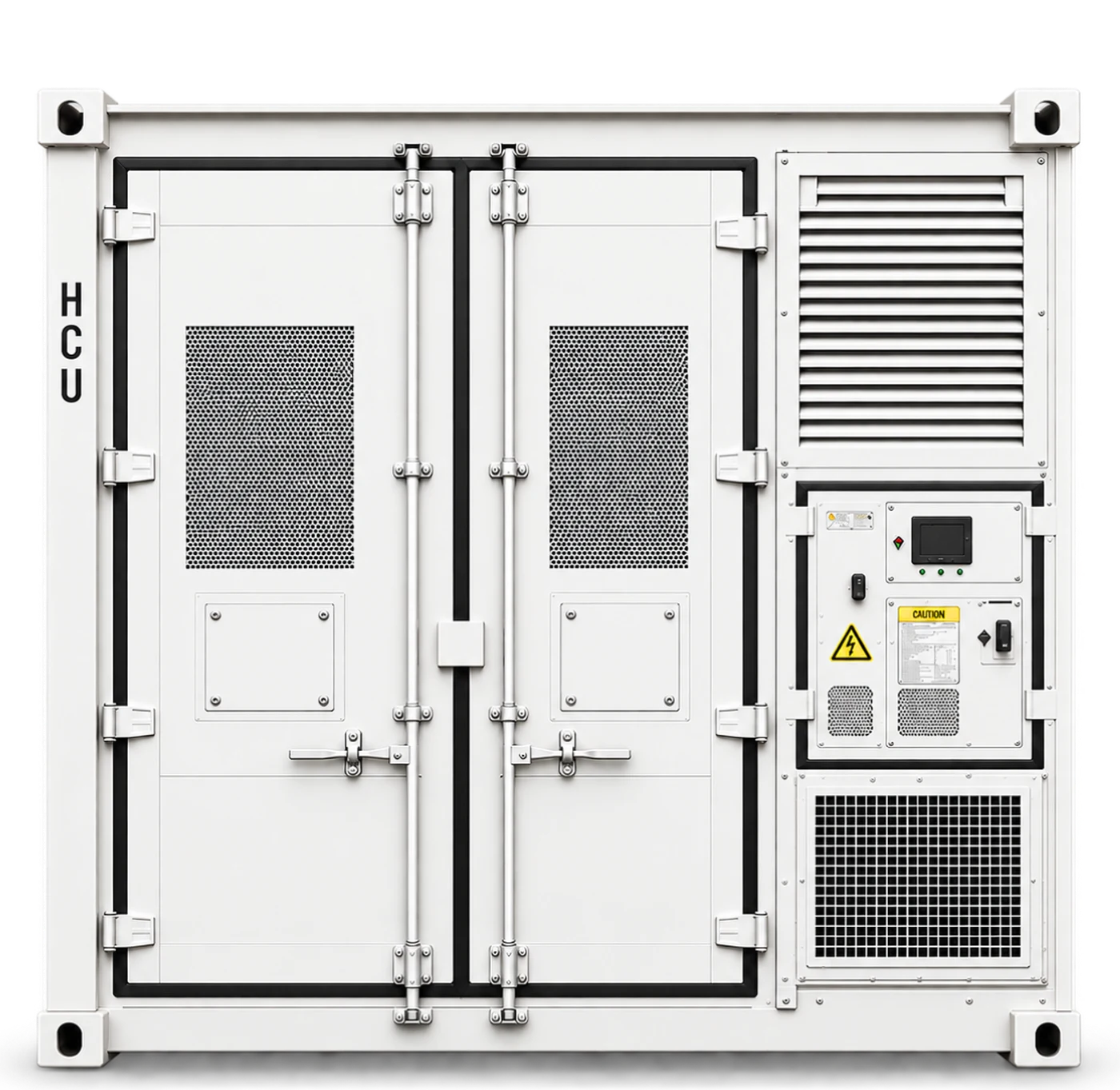
Battery intelligence for battery energy storage systems (BESS): State of Health, temperature exposure and cycle history for every pack and rack on site, from commissioning to resale.
Request a demoYour contact in APAC
A grid scale battery energy storage system (BESS) is made up of racks or packs, which in turn consist of cells. It ranges from a few MW at a company’s own depot to hundreds of MW connected directly to the grid. It earns by storing power when it is cheap and releasing it when it is dear. It can also stand ready to help the grid operator keep the network stable.
The job is to deliver as much of the rated capacity as possible and to lose capacity no faster than the supplier guaranteed. The battery also has to stay available around 98% of the time.
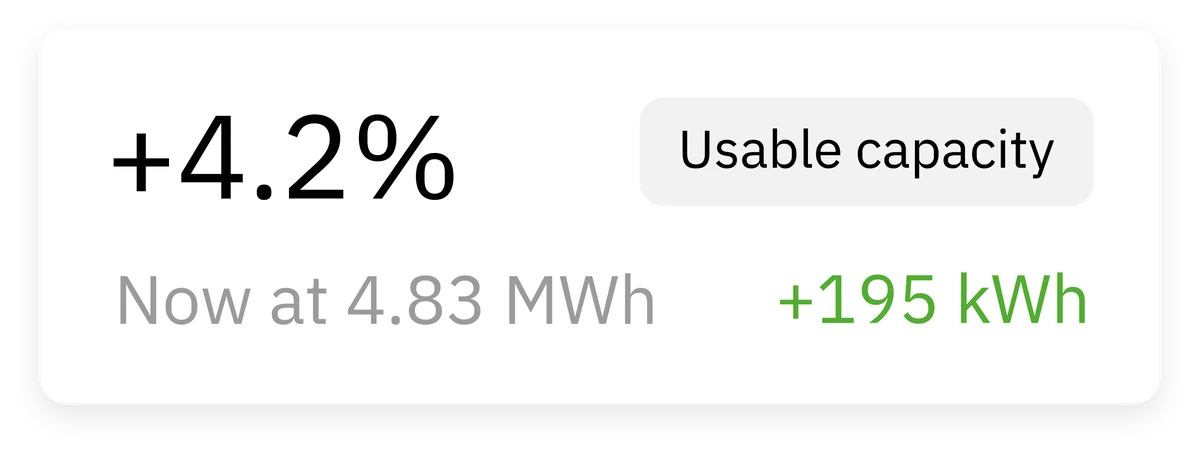
Cells drift out of balance over time, and the system then stops early to protect the weakest one. By some estimates, that leaves up to 10% of the energy unsold, even though it is physically still there. LFP, the cell chemistry in most large batteries, barely changes its voltage between 20 and 80% state of charge. A tiny reading error then becomes a 15% error in the estimated energy inside.
| Topic | Today | With BMB |
|---|---|---|
| Health figure | From the supplier’s own battery management system | Read from how the battery behaves, per rack, every day |
| Capacity check | A yearly test that takes the battery off the market | Continuous, without taking the battery offline |
| Energy behind cells out of balance | Up to 10% sits unused | Found and brought back, inside the manufacturer’s limit |
| Capacity loss | 20 to 30% in the first ten years, checked only against the supplier’s own number | An independent number against the guarantee |
Batteries lose 2 to 3% a year, and contracts now accept a battery ending at 65 or even 60% instead of 70. If it drops faster than promised, the owner pays unless he can prove it.
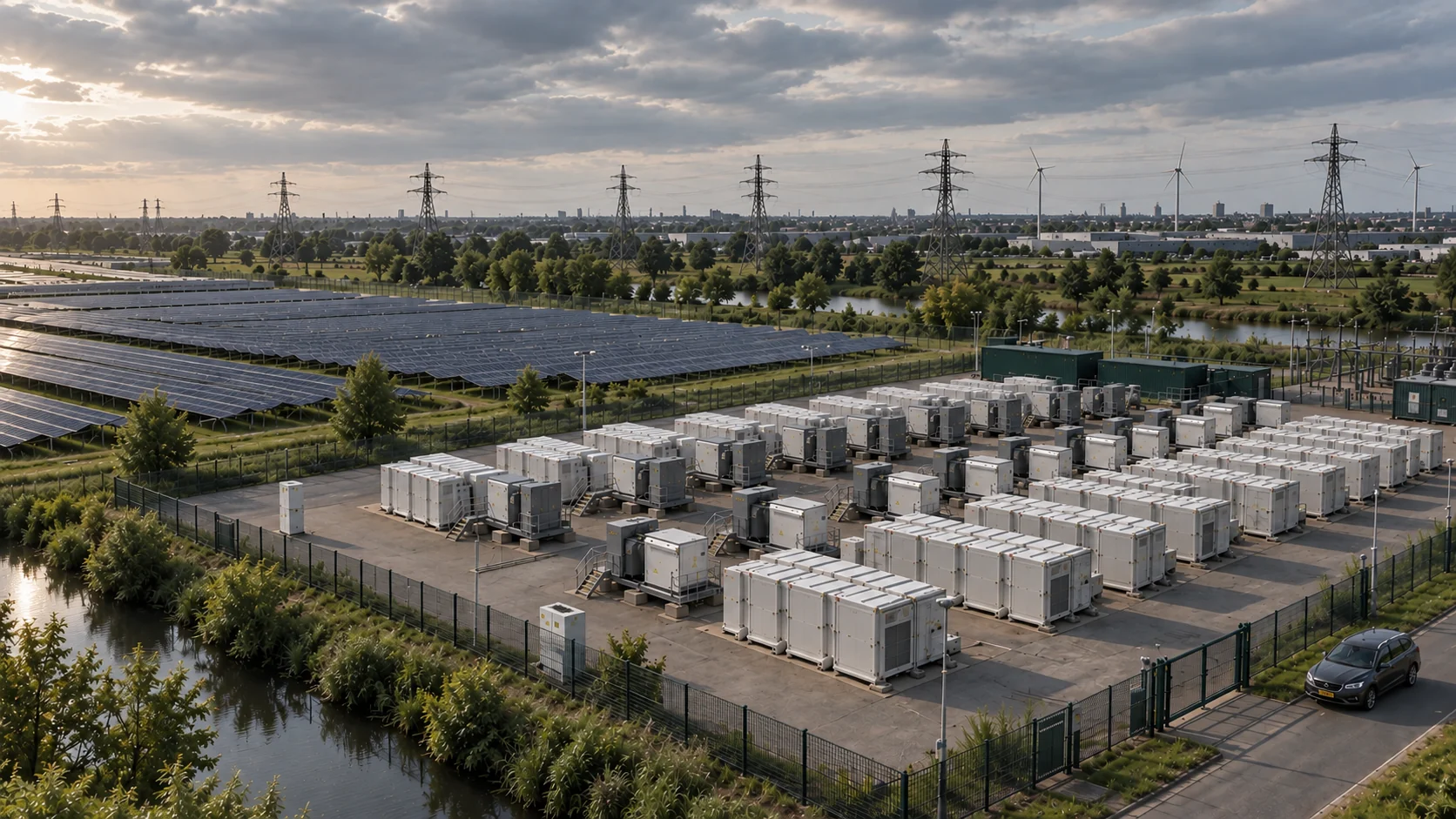
The owner or investor of a BESS has a business case with a 10 to 20 year return. The optimiser is paid to earn as much as possible today, whatever that costs in capacity. BMB supports both, and the asset manager. The effect of today’s trading strategy on the long term health of the asset becomes visible to every party involved.
BMB reads capacity from how the battery actually behaves, instead of from the supplier’s BMS. It works out how much of the rated capacity each pack really delivers. Capacity unlock brings it back towards the limit, always inside what the manufacturer allows.
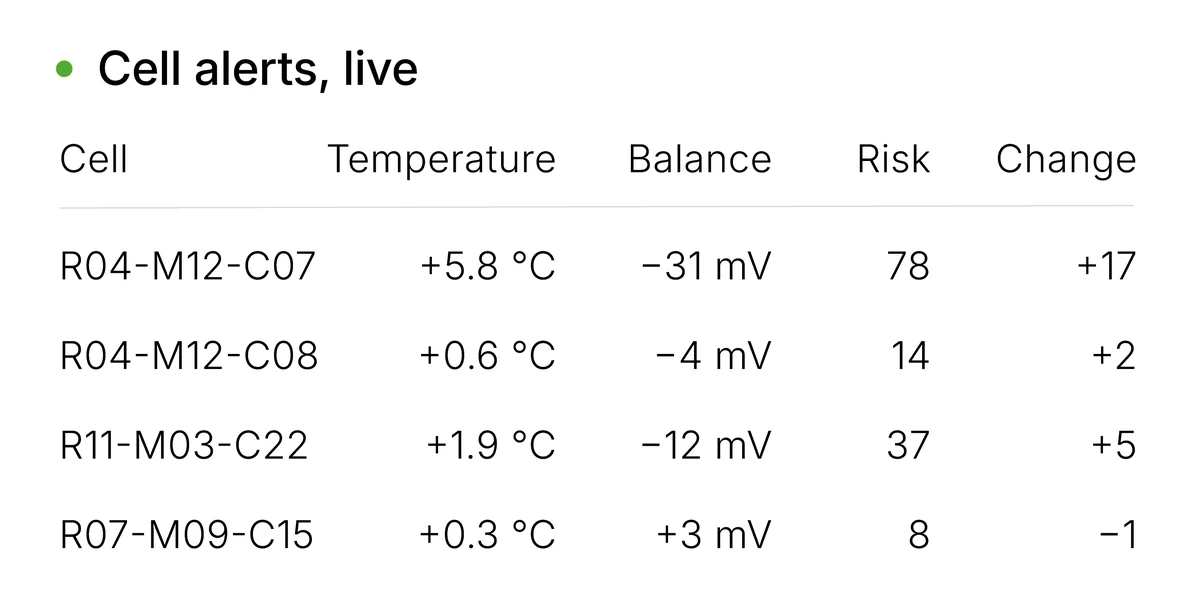
Anomaly detection flags cells running hot or drifting out of balance long before the yearly test. Peak shaving keeps the site’s draw from the grid low.
Four features run on the data the BESS already produces: Battery protect, Capacity unlock, Peak shaving and Anomaly detection.
Battery protect measures true state of health per pack continuously and forecasts what is left in 5 to 10 years.
Learn more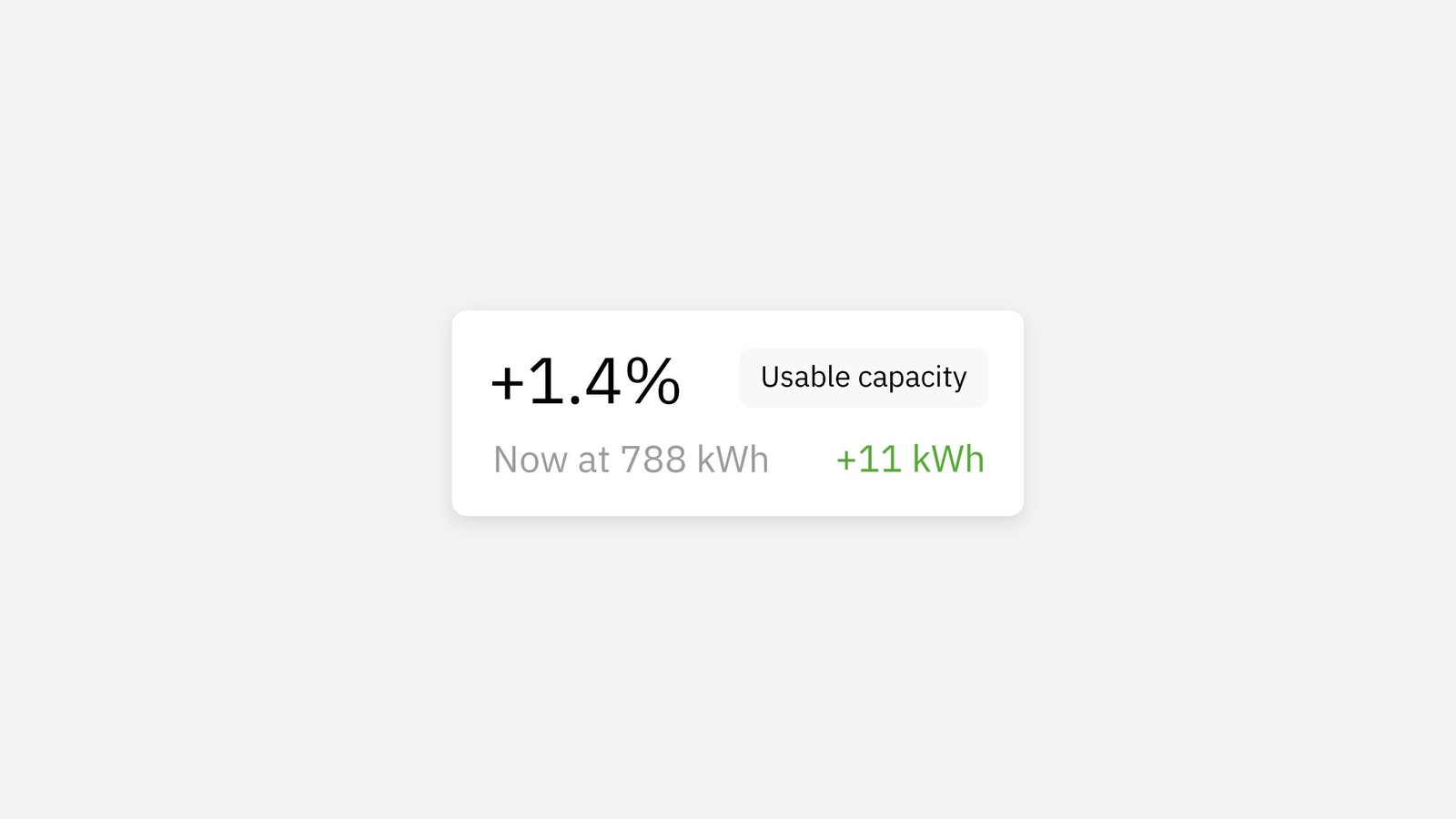
Capacity unlock works out how much of the rated capacity a pack really delivers, and brings it back towards the limit. It runs on live data, through a BMB edge unit on site or a software link (API).
Learn more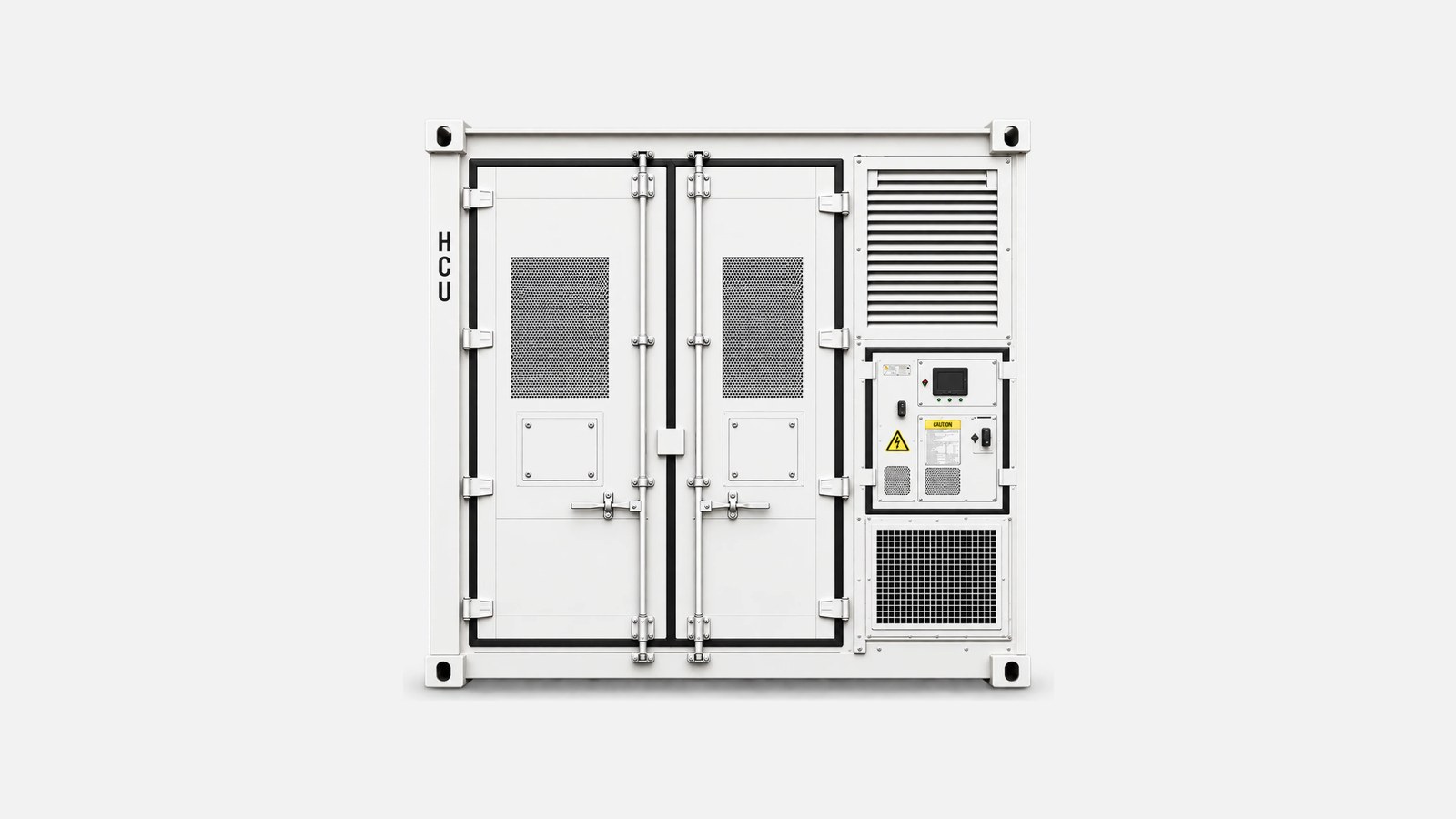
Peak shaving spreads the site’s power draw over the night. The billed peak comes down, and the existing grid connection goes further.
Learn more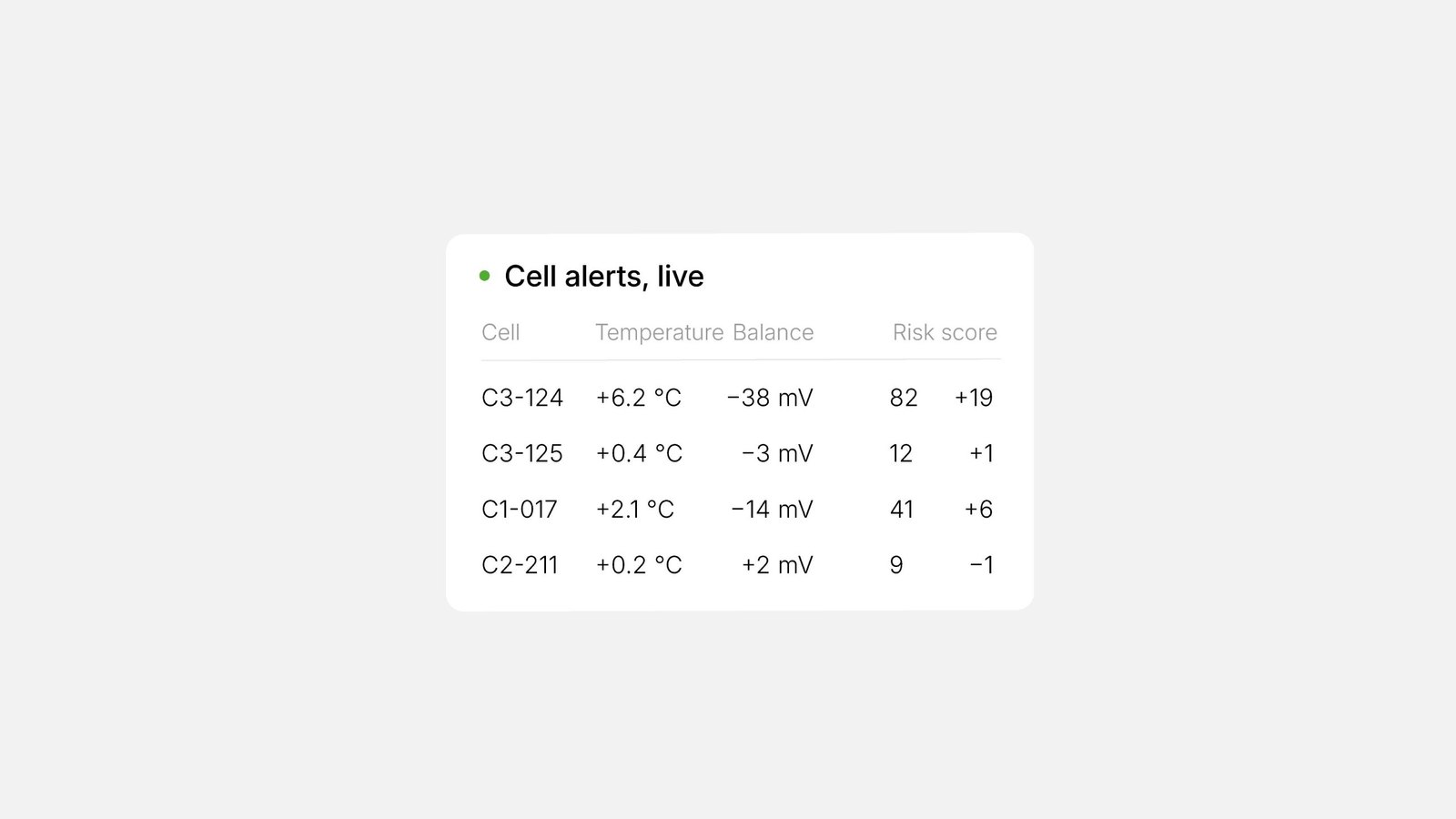
Anomaly detection flags cells running hot or drifting out of balance in real time, long before the next test.
Learn moreThe BMB team shows which features fit which batteries, with the features running in a live demo.
Your contact in APAC
