Health charging
Health charging shaves the current peaks that do the damage. A pack degrades up to 14% less over 100,000 km, at a similar charging speed.
Learn moreBattery intelligence for the assets operators own and the ones they serve, from the first charge through to residual value.
Explore platform


Four industries, one intelligence platform: batteries that last longer, keep their value and give warning before a fault.
See all industries


BMB turns every charging session into a measurement of the battery, and hands the charger a profile that protects it. No new hardware.
Request a demoYour contact in APAC
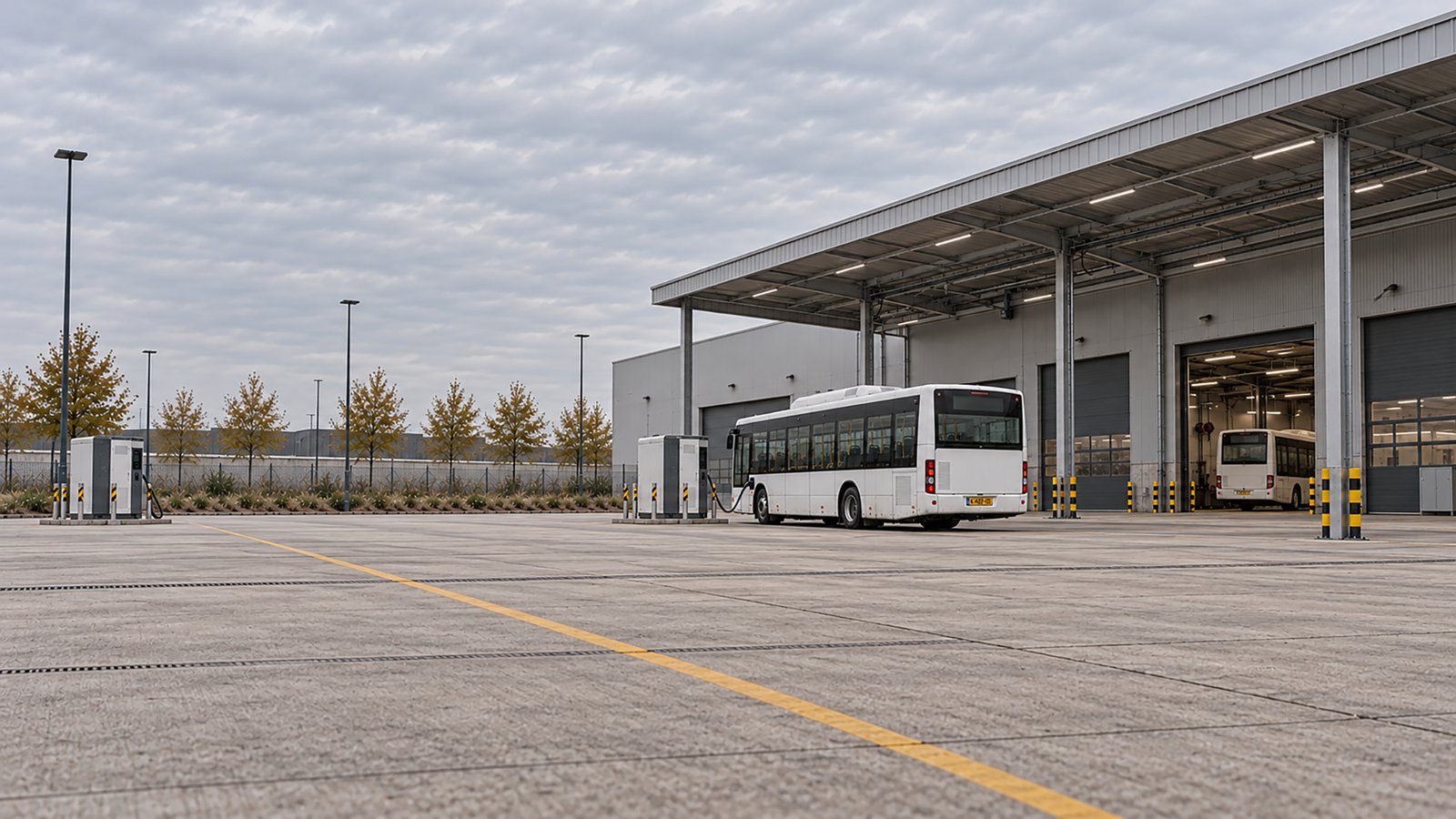
Chargers, together with the vehicle, are where the battery data comes from and where BMB’s intelligence lands. That covers AC chargers and DC fast chargers in the depot, pantographs for buses and high power chargers along the motorway. Every session measures the battery being charged. Every decision about charging speed decides how fast that battery ages.
The job is to reduce the strain on the batteries and predict faults. At the same time, the charger has to be used enough to pay for itself, and the site’s peak has to stay below the grid connection.
A 150 kW fast charger costs €132,000 to €182,000 installed. Getting the grid connection approved takes around 18 months. The grid operator bills the highest peak of the month, whether that peak lasted two hours or twenty. The peak is 40 to 50% of the running cost of a charging site.
| Topic | Today | With BMB |
|---|---|---|
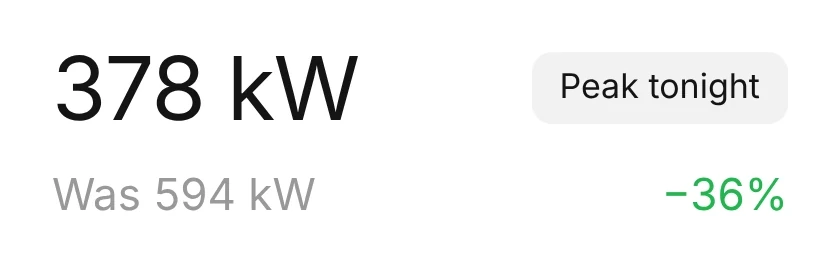
| Site peak | 25 trucks on 22 kW chargers pull 550 kW when they all start together | Charging spread over the night, roughly 350 kW |
| Battery condition | The charger passes on state of charge and departure time, nothing about the cells | Every session read as a measurement of the pack, with up to 14% less degradation over 100,000 km |
| Charging speed | Full speed on arrival, so packs that mostly fast charge age twice as fast | A profile that trims the harshest current peaks at a similar speed |
| Cell problems | Found when a vehicle does not leave in the morning | Cells running hot or drifting flagged long before, which helps reduce fire insurance costs |
Chargers report being online 96 to 99% of the time, but across Europe only 86% of charging sessions actually succeed. In a depot, a failed session is a vehicle that does not leave in the morning.
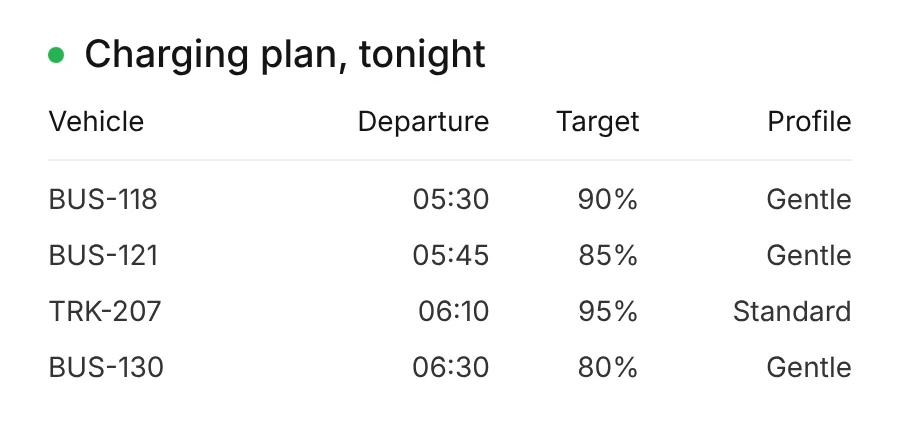
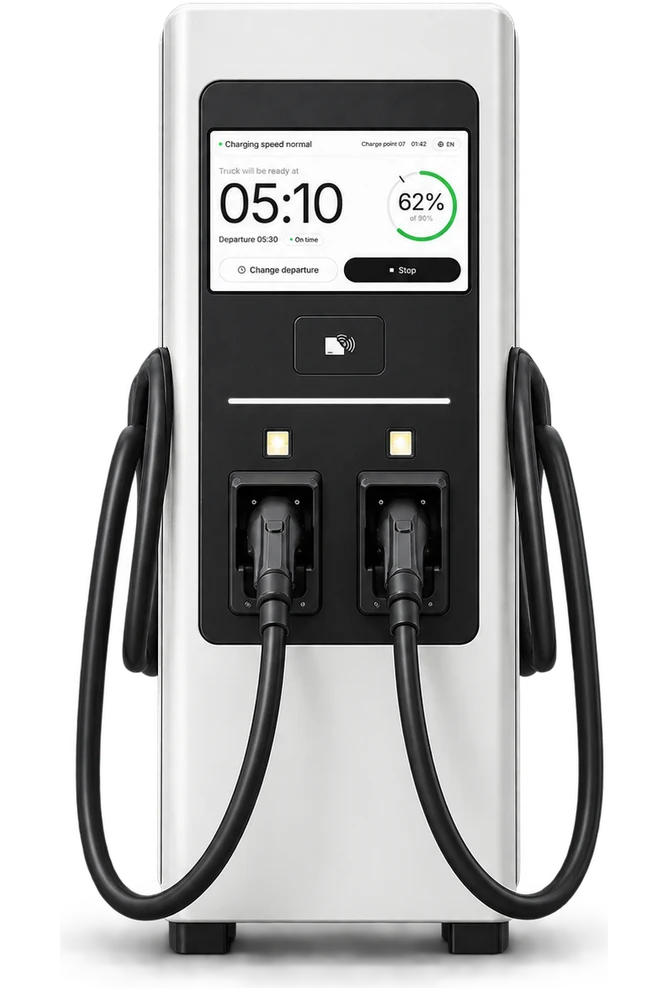
BMB works out a charging profile for every session and hands it to the charger or the charging software. It trims the harshest peak in the current, so the pack ages more slowly while the charge stays at a similar speed. Heavy commercial packs that mostly fast charge lose around 5% a year, and nobody at the depot sees that cost on any bill.
Across the site, BMB works out how to spread the power drawn from the grid. The peak stays low, and the site runs on the connection it already has. The charging software carries out the plan.
Four features use the data the chargers and telematics already gather: Health charging, Peak shaving, Battery protect and Anomaly detection.
Health charging shaves the current peaks that do the damage. A pack degrades up to 14% less over 100,000 km, at a similar charging speed.
Learn more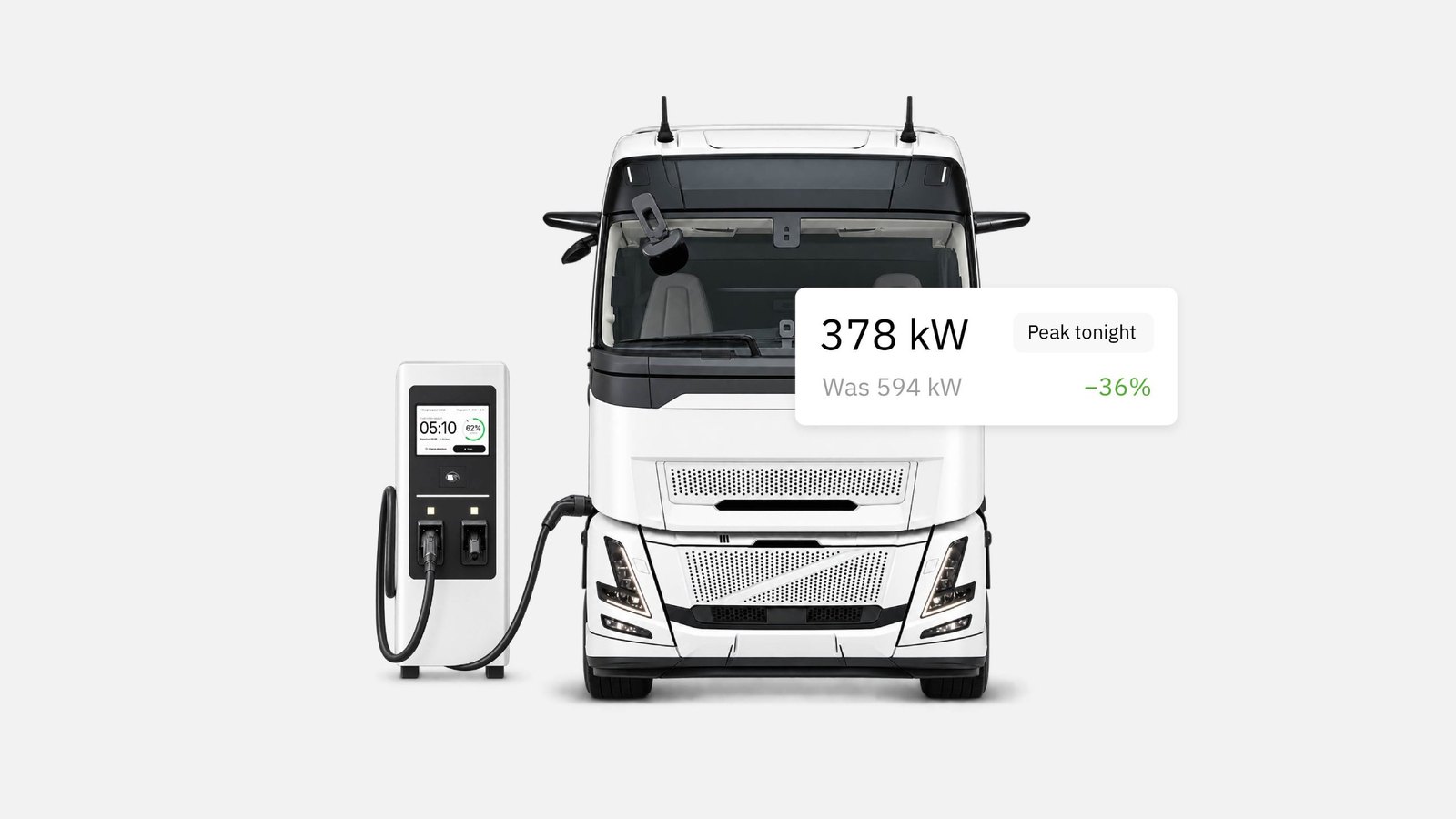
Peak shaving spreads the site’s power draw over the night. The billed peak comes down, and the existing grid connection goes further.
Learn more
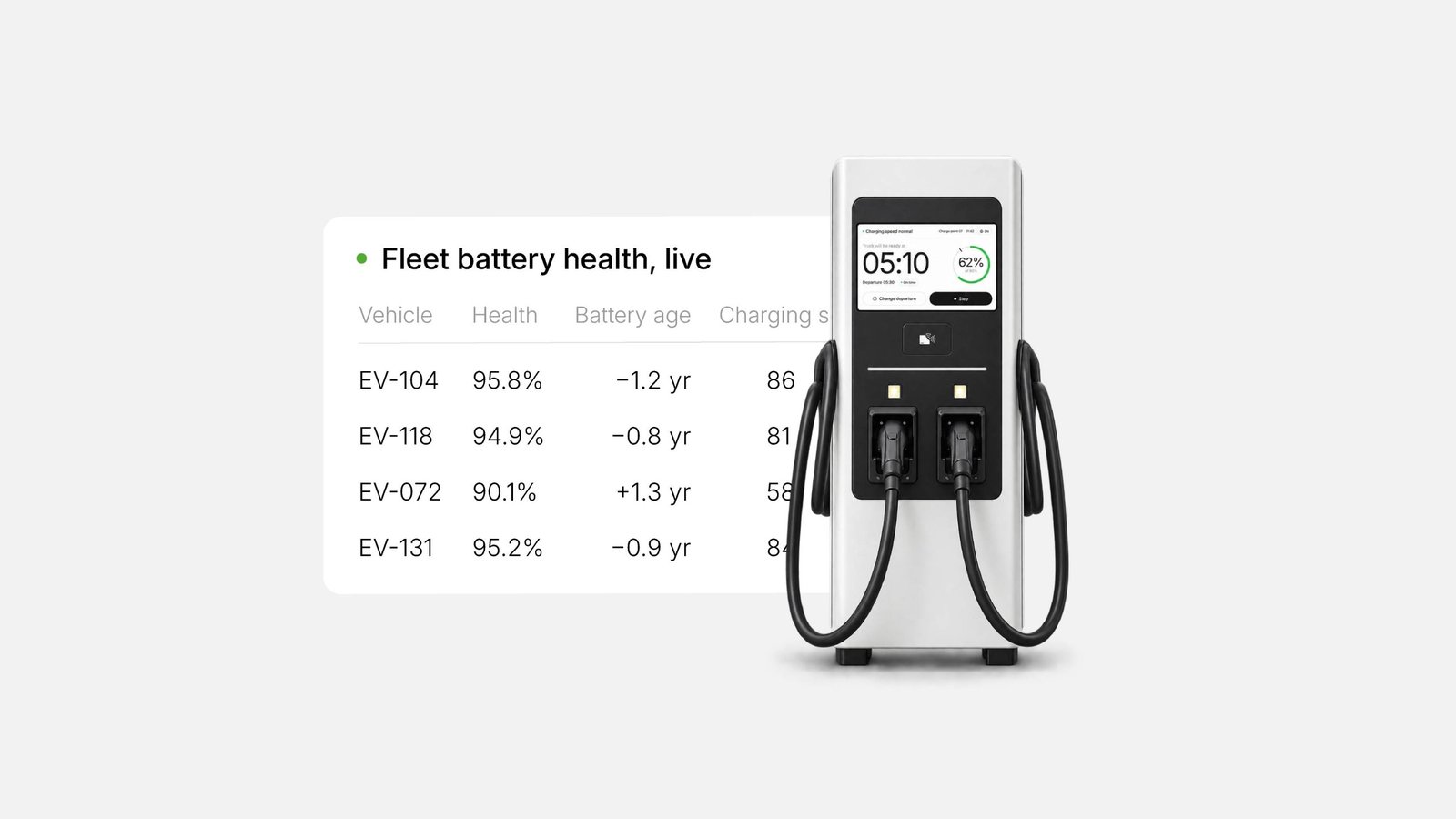
Battery protect measures true state of health per pack continuously and forecasts what is left in 5 to 10 years.
Learn more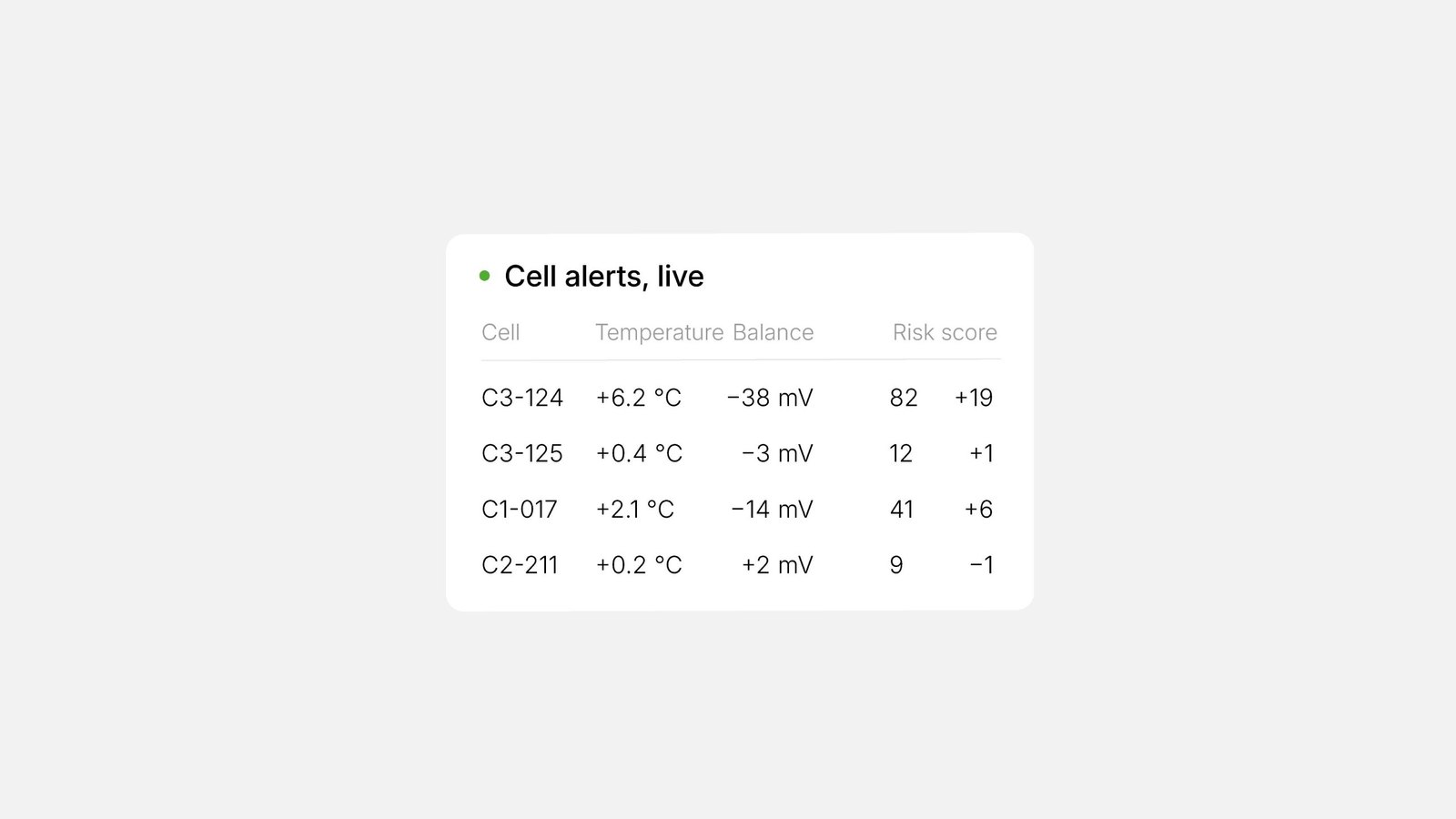
Anomaly detection flags cells running hot or drifting out of balance in real time, long before the next test.
Learn moreThe BMB team shows which features fit which batteries, with the features running in a live demo.
Your contact in APAC