How China is scaling up battery swapping for electric trucks
Chinese heavy truck hubs already handle 50 to 80 swaps a day. We look at what it takes to make battery swapping work in Europe, from pack health to who pays for each swap.
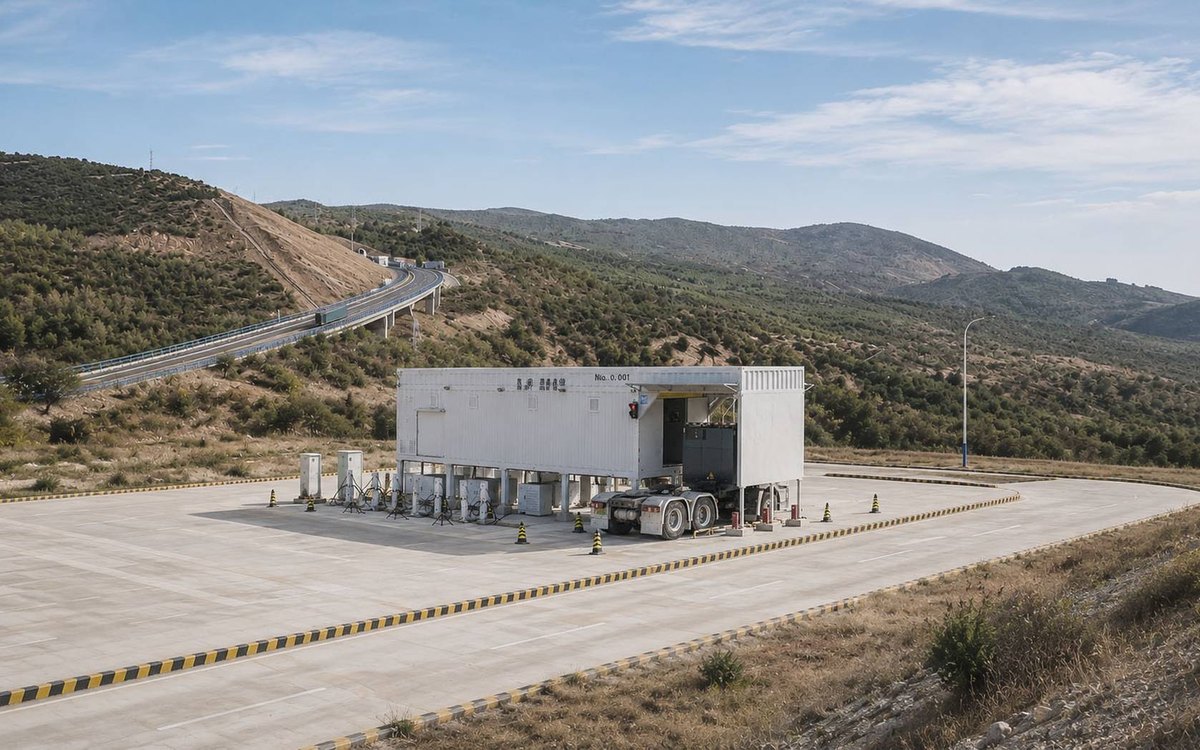
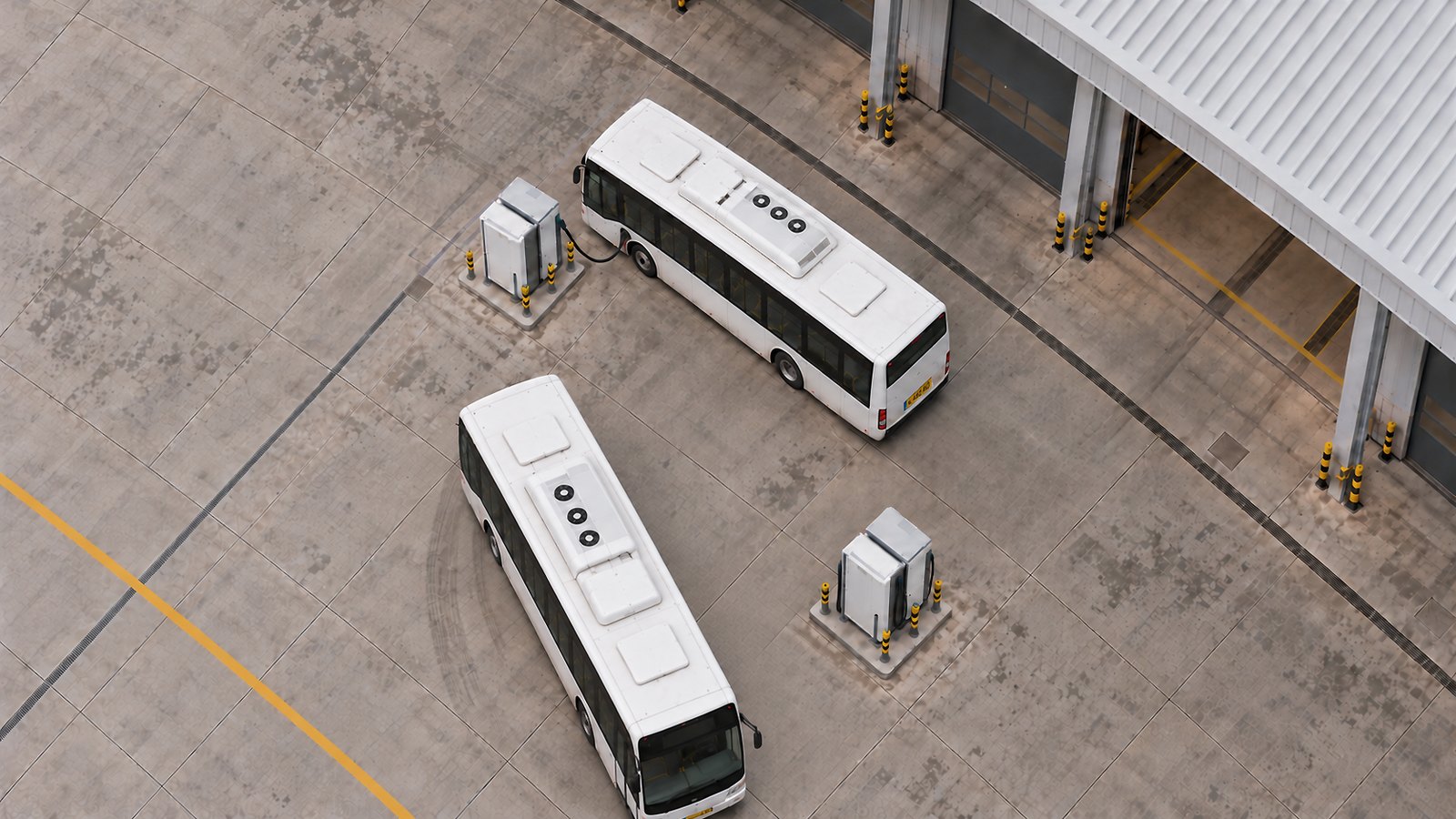
Swapping a depleted battery for a charged one takes minutes instead of hours. In China that idea has moved from pilot to daily operation: heavy truck hubs there handle 50 to 80 swaps a day. In Europe the picture is very different, with stations that still see only a fraction of that volume.
The technology to exchange a pack is not what holds Europe back. The harder questions sit around the pack itself.
“In a swap network, the health of the packs is the value of the business. Without a record per pack, the pool cannot be financed.”
The pack becomes shared stock
In a swap station the battery stops belonging to a single vehicle. It becomes part of a pool, owned by one party, charged by another and used by a third. Nobody holds a continuous record of what an individual pack has been through, because it keeps moving between vehicles, chargers and owners.
That has direct consequences. A station screen can count packs as available that are still charging, cooling down or worn out. A hub then runs short at its busiest hour while the screen shows full stock. And no bank lends against stock whose condition nobody can independently measure.
Who pays for a swap
Every swap involves four parties: the driver, the fleet owner, the station and the owner of the battery. In China the settlement between them runs as part of daily operations. In Europe that piece does not exist yet, and it is one of the reasons operators hesitate to scale.
What Europe needs
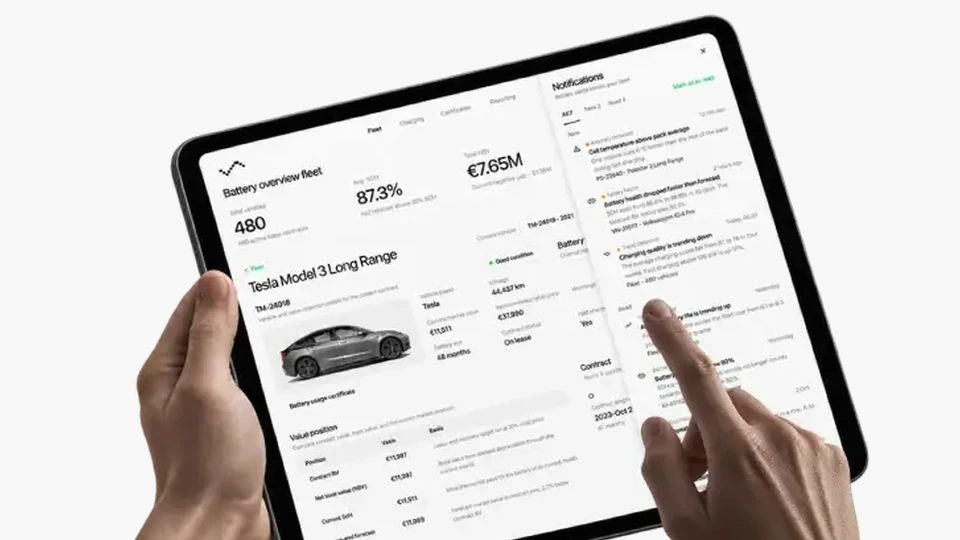
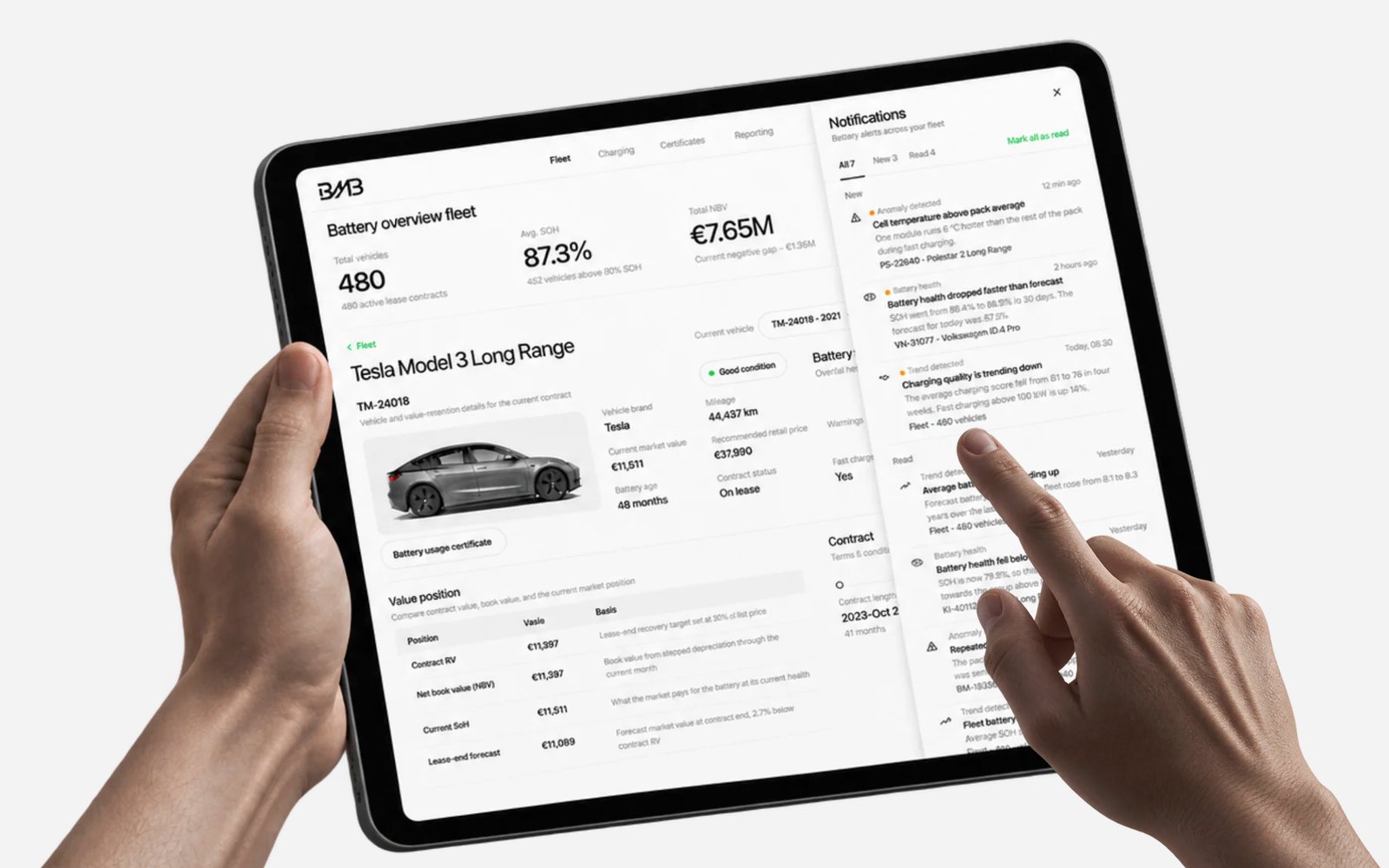
For swapping to work at scale, every pack in the pool needs its own health record. Then the pool can be financed, and the station never hands out a weak pack. Every swap also needs to be billed to the right party. That is where battery intelligence plays its part.
Explore battery intelligence with a consultant
Schedule a 30 minute call to see what your chargers, vehicles or storage could deliver using BMB.
- Longer battery life and a higher residual value
- More usable energy from the batteries already in operation
- Issues spotted early, before they become costly
Your contact in APAC